


Introduction: Why Word Puzzles Have Taken Over Daily Life
In the age of quick digital entertainment, word puzzles have become a daily ritual for millions of people around the world. One of the biggest reasons for this shift is the rise of nytimes wordle, which transformed a simple guessing game into a global habit.
What makes this style of puzzle so engaging is its simplicity combined with mental challenge. You are given limited attempts, no extra clues, and a single goal: discover the hidden word. That balance between frustration and reward keeps players returning every day.
Unlike long-form games that require hours of attention, this puzzle fits neatly into morning routines, coffee breaks, or commute time. It’s short, sharp, and mentally stimulating.
The popularity of word games also reflects a deeper trend: people want entertainment that feels meaningful. Instead of passive scrolling, players get active mental engagement that improves vocabulary, logic, and memory.
The Evolution of Modern Word Puzzle Culture
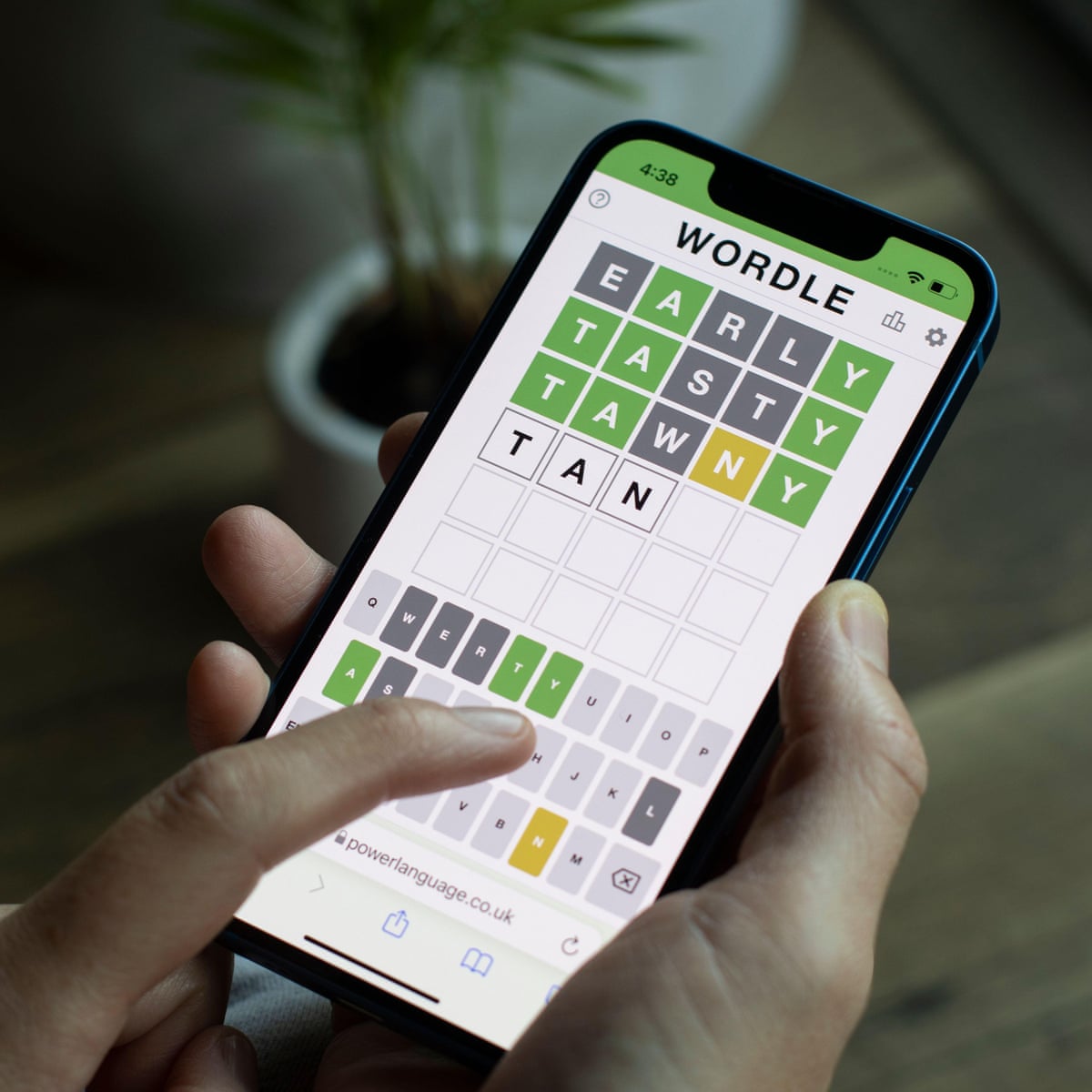
Word puzzles have existed for centuries in different forms, from crosswords in newspapers to anagrams and spelling games. However, the digital transformation of puzzles created a new wave of engagement.
Over time, developers began simplifying mechanics while increasing cognitive challenge. This balance led to the rise of daily puzzle formats that reset every 24 hours.
The introduction of nytimes wordle brought this format into mainstream culture. It created a shared global experience where everyone solves the same puzzle on the same day, making conversations and comparisons more engaging.
Unlike traditional games with levels and progression systems, this format focuses on fairness and equality. Everyone starts fresh each day, regardless of skill level.
The result is a game that feels both competitive and cooperative at the same time.
How the Puzzle System Actually Works
At its core, the mechanics are extremely simple, but the strategic depth is significant.
Players must guess a hidden five-letter word within six attempts. After each guess, feedback is provided through color-coded indicators that show correctness and placement.
This feedback system is what turns a simple guessing activity into a logical deduction challenge. Each attempt narrows down possibilities, helping players refine their thinking.
A strong starting strategy is often the difference between success and failure. Experienced players typically begin with words that include multiple vowels and common consonants.
Because of its structured design, nytimes wordle has become a benchmark for evaluating modern puzzle mechanics.
The simplicity of rules ensures accessibility, while the depth of logic ensures long-term engagement.
Why This Puzzle Became a Global Habit
The success of daily word games is not accidental. It is driven by psychology, habit formation, and social interaction.
One key reason is the “one puzzle per day” limitation. This creates anticipation and prevents burnout, encouraging users to return daily instead of playing endlessly.
Another reason is social sharing. Players often post their results in a minimal format that hides answers but shows performance patterns. This encourages friendly comparison.
There is also a strong emotional reward system. Solving a puzzle triggers satisfaction and a sense of achievement, reinforcing the habit loop.
Finally, accessibility plays a major role. No downloads, no payment barriers, and no complicated rules—just instant engagement.
Strategic Thinking Behind Better Performance
Success in word puzzles is not random. It relies on structured thinking and pattern recognition.
Good players focus on elimination rather than guessing blindly. Each attempt is used to remove possibilities rather than just find the correct answer immediately.
A common strategy is starting with vowel-heavy words to quickly identify core structure. Once vowels are identified, consonants can be tested more strategically.
Over time, players begin recognizing patterns such as common prefixes, suffixes, and letter pairings.
These methods significantly improve accuracy and reduce unnecessary guesses.
The consistent application of these strategies is what makes nytimes wordle both challenging and rewarding.
Table: Beginner vs Advanced Strategy Comparison
| Approach Type | Description | Result Efficiency |
|---|---|---|
| Random Guessing | No structured logic, pure trial and error | Low |
| Vowel Discovery | Focus on identifying vowels first | Medium-High |
| Pattern Elimination | Narrowing options using feedback systematically | Very High |
| Statistical Guessing | Using frequency of letter occurrence | High |
| Memory-Based Play | Relying on learned word patterns | High |
This table shows how structured approaches consistently outperform random guessing methods.
The Psychology Behind Daily Word Engagement
Human brains are naturally wired to solve patterns. Word puzzles tap directly into this cognitive mechanism.
Each guess activates anticipation, uncertainty, and reward. This emotional cycle keeps players engaged throughout the puzzle.
The brain also experiences a dopamine release when solving problems, which reinforces repetition behavior.
Another psychological factor is identity building. Many players begin to see themselves as “daily puzzle solvers,” making it part of their routine identity.
This identity reinforcement is one reason nytimes wordle has become more than just a game—it’s a habit.
Common Mistakes That Reduce Success Rates
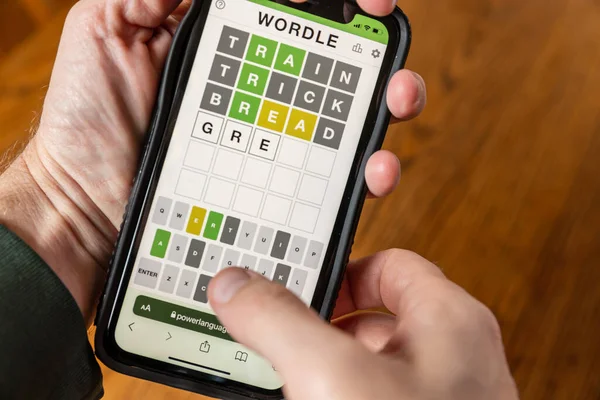
Many players struggle not because the puzzle is too difficult, but because they use inefficient strategies.
One major mistake is repeating eliminated letters too early. This wastes valuable attempts.
Another common error is ignoring feedback patterns. Each clue provides critical information that should guide the next guess.
Overcomplicating the solution is also a frequent issue. Sometimes players assume rare words instead of common ones.
Rushing without analysis often leads to unnecessary failures.
Avoiding these mistakes dramatically improves consistency and success rates.
Language Skills and Cognitive Benefits
Word puzzles are not just entertainment—they are also educational tools.
They improve vocabulary retention by exposing players to new word structures. Even unfamiliar words become recognizable over time.
They also strengthen cognitive abilities like memory, attention, and pattern recognition.
Educators often highlight how such puzzles improve linguistic awareness without traditional study methods.
Regular engagement with puzzles like nytimes wordle helps players develop faster thinking and better language intuition.
Comparison With Other Word-Based Games
Word puzzles exist in many formats, but not all offer the same level of engagement.
Crossword puzzles require deep knowledge and often take longer to solve. Scrabble-style games focus on competitive scoring rather than deduction.
Daily guessing puzzles, on the other hand, emphasize logic and elimination.
Unlike competitive word games, this format is non-toxic and accessible to all skill levels.
It also avoids pay-to-win mechanics, making it fair and balanced.
This unique combination is what makes it stand out in the digital gaming space.
Advanced Techniques for Experienced Players
Once players become familiar with basic strategies, they often move toward advanced techniques.
One such method involves probability-based guessing. This uses letter frequency analysis to increase accuracy.
Another technique is controlled isolation, where specific letters are tested in structured positions.
Some players maintain mental or written lists of possible word patterns to speed up decision-making.
These techniques require practice but significantly improve performance over time.
Even experienced players of nytimes wordle continuously refine their strategies to stay efficient.
Winning Mindset Strategy
The most successful players don’t focus on finding the word immediately. Instead, they focus on reducing uncertainty step by step.
This mindset shift transforms guessing into a logical process rather than a random attempt.
Social Influence and Online Sharing Culture
One of the most interesting aspects of modern word puzzles is their social impact.
Players often share results using emoji grids that represent their attempts without revealing answers. This creates curiosity and discussion among friends.
It also encourages friendly competition, where people compare efficiency and strategy.
Online communities have formed around daily puzzles, discussing techniques and patterns.
The shared experience of solving nytimes wordle has turned it into a cultural conversation rather than just a solo activity.
How Consistency Improves Performance Over Time
Like any skill, word puzzle solving improves with repetition.
The more you play, the more familiar you become with common word structures and letter patterns.
Over time, players develop intuition, allowing them to make better guesses faster.
Consistency also helps reduce mistakes caused by overthinking.
Even a few minutes of daily engagement can significantly improve long-term performance.
FAQs About Word Puzzle Strategy
Why do some players solve puzzles faster than others?
Because they use structured strategies instead of random guessing.
Is vocabulary size the most important factor?
Not entirely. Pattern recognition is often more important than vocabulary depth.
Can beginners improve quickly?
Yes, consistent practice leads to fast improvement.
Why do people share results online?
It creates community engagement and friendly comparison without spoilers.
Do strategies really matter?
Yes, structured approaches significantly improve success rates.
Conclusion: Building a Smarter Puzzle Routine
Daily word puzzles have become more than just games—they are mental exercises that sharpen thinking and improve language skills.
By combining structured strategies, pattern recognition, and consistent practice, players can significantly improve their performance.
The key takeaway is that success is not about luck but about logic and observation.
As digital entertainment continues to evolve, word puzzles will remain a powerful example of how simple design can create deep engagement.
Ultimately, mastering games like nytimes wordle is about developing patience, strategy, and curiosity—skills that extend far beyond the game itself.