


Introduction
There’s a unique kind of excitement that comes from opening your phone or browser and thinking about what’s the wordle today. It’s a small moment, yet it carries a sense of curiosity, challenge, and satisfaction. Wordle has grown from a simple word puzzle into a daily habit for millions of players worldwide, blending language skills with logic in a way that feels both relaxing and mentally stimulating.
At first glance, the game seems straightforward. You guess a five-letter word, adjust based on feedback, and try to solve it within six attempts. However, beneath this simplicity lies a fascinating mix of strategy, probability, pattern recognition, and psychology. Each puzzle is like a miniature mystery waiting to be solved, and each player develops their own unique approach.
This comprehensive guide will explore every aspect of Wordle—from beginner basics to advanced techniques—helping you improve your skills while still enjoying the process. Whether you casually play or take your streak seriously, understanding the deeper mechanics can make a big difference.
What Is Wordle and Why Is It So Popular?
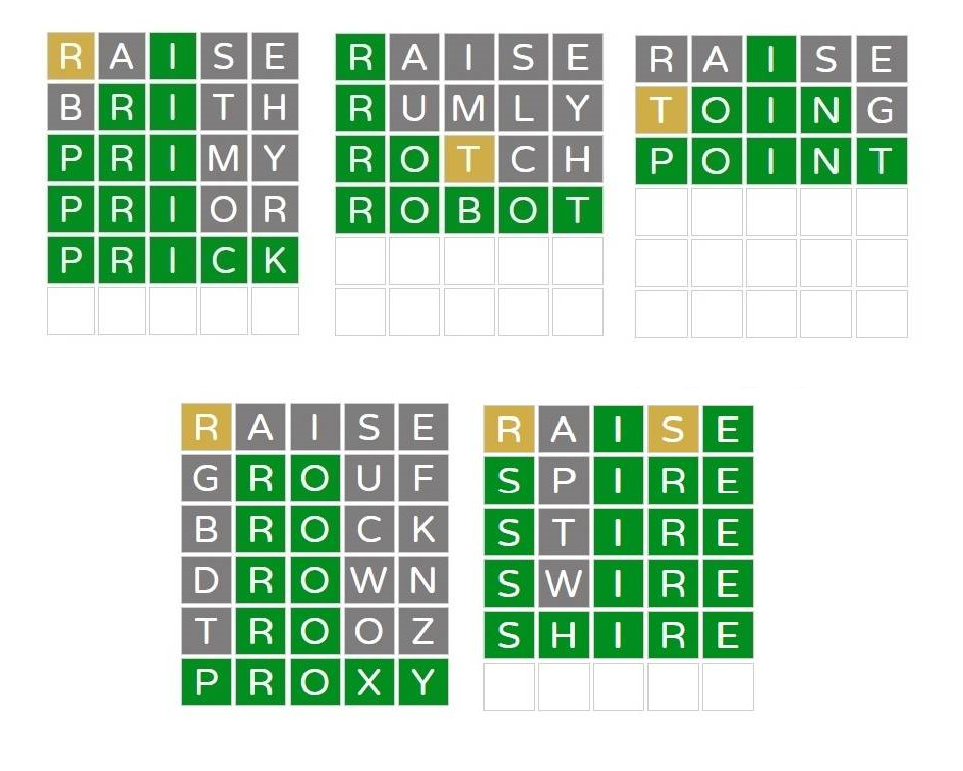
Wordle is a daily word puzzle that challenges players to guess a hidden five-letter word. Each guess provides feedback through colored tiles, guiding players toward the correct answer. While the rules are simple, the experience feels fresh every day because the word changes daily for everyone.
The popularity of Wordle comes from its minimalist design and universal accessibility. There are no flashy graphics, no complicated rules, and no time pressure. Instead, the game focuses entirely on the player’s thinking process. This simplicity allows people of all ages and skill levels to participate.
Another reason Wordle has gained widespread attention is its social aspect. Players often share their results in a grid format, sparking conversations and friendly competition. The shared daily puzzle creates a sense of community, where everyone is solving the same challenge at the same time.
This is also why many people search for what’s the wordle today, not just to find the answer, but to join the broader conversation surrounding the puzzle.
How Wordle Works: A Simple Yet Clever System
Understanding the mechanics of Wordle is essential if you want to improve your performance. The game operates on a feedback system that helps you refine your guesses.
The Core Rules
You are given six attempts to guess a five-letter word. After each guess, the game provides feedback using three colors:
- Green indicates that the letter is correct and in the correct position
- Yellow means the letter is in the word but in the wrong position
- Gray shows that the letter is not in the word at all
This feedback transforms each guess into valuable information. Instead of randomly guessing, you are constantly narrowing down possibilities.
Why Feedback Is Powerful
The beauty of Wordle lies in how it rewards logical thinking. Each color clue acts as a piece of a puzzle. The more effectively you interpret these clues, the faster you can reach the correct answer.
Players who frequently search what’s the wordle today often overlook this aspect. The real skill comes from using the feedback system to your advantage rather than relying on external answers.
The Psychology Behind Wordle’s Appeal
Wordle taps into several psychological triggers that make it highly engaging. One of the most important is the concept of limited attempts. Knowing that you only have six chances creates a sense of urgency without overwhelming pressure.
Another key factor is the reward system. Successfully guessing the word provides a small but satisfying sense of achievement. This feeling encourages players to return every day, forming a habit.
The game also stimulates cognitive processes such as pattern recognition, memory recall, and problem-solving. These mental exercises make Wordle both fun and beneficial for brain health.
The curiosity surrounding what’s the wordle today reflects this psychological engagement. It’s not just about solving a puzzle—it’s about satisfying a daily mental itch.
Building a Strong Foundation: Starting Words Matter
One of the most important decisions in Wordle is your first guess. This single word sets the tone for the rest of the game. A strong starting word can reveal multiple letters, giving you a significant advantage.
Good starting words typically include a mix of common vowels and consonants. Letters like A, E, R, T, and S appear frequently in English words, making them valuable choices.
For example, words like “CRANE,” “SLATE,” and “TRACE” are popular because they cover a wide range of common letters. These words maximize the information you gain from your first attempt.
Choosing the right starting word can reduce the need to search what’s the wordle today, as you’ll be better equipped to solve the puzzle independently.
Table: Comparing Popular Starting Words
| Starting Word | Vowel Count | Common Letters | Information Value | Overall Effectiveness |
|---|---|---|---|---|
| CRANE | 2 | High | Excellent | ⭐⭐⭐⭐⭐ |
| SLATE | 2 | High | Excellent | ⭐⭐⭐⭐⭐ |
| AUDIO | 4 | Medium | High | ⭐⭐⭐⭐ |
| TRACE | 2 | High | Excellent | ⭐⭐⭐⭐⭐ |
| ROAST | 2 | High | Excellent | ⭐⭐⭐⭐⭐ |
This table highlights how different starting words perform based on their letter composition. Words with balanced vowel and consonant usage tend to provide the most useful feedback.
Developing Smart Guessing Strategies

As you gain experience, your approach to Wordle will naturally evolve. Instead of guessing randomly, you’ll begin to think strategically about each move.
One effective strategy is to treat each guess as an opportunity to gather information. Even if you’re not close to the answer, you can use your guesses to test new letters and eliminate possibilities.
Another important technique is avoiding repetition. Once a letter has been marked gray, it should not be used again. This helps you focus only on viable options.
Players who rely less on searching what’s the wordle today and more on these strategies tend to improve quickly and enjoy the game more.
Recognizing Common Word Patterns
Wordle answers often follow recognizable patterns. Understanding these patterns can significantly speed up your solving process.
For instance, many words end with common suffixes like “-ER,” “-ED,” or “-LY.” Others may include letter combinations such as “TH,” “CH,” or “SH.” Double letters, like in “APPLE” or “SHEEP,” also appear occasionally.
By keeping these patterns in mind, you can make more informed guesses. Instead of considering every possible word, you can narrow your focus to more likely candidates.
This approach reduces the temptation to look up what’s the wordle today, as you become more confident in your reasoning.
Avoiding Common Mistakes
Even experienced players can fall into certain traps. One common mistake is overthinking the puzzle. Sometimes, the answer is simpler than expected, and complicated guesses can lead you astray.
Another mistake is ignoring feedback. Each color clue is valuable, and failing to use it effectively can slow your progress.
Random guessing is also a frequent issue. Without a clear strategy, you may waste attempts on words that provide little useful information.
By avoiding these mistakes, you can improve your consistency and reduce reliance on external help.
The Role of Vocabulary in Wordle
While Wordle does not require an extensive vocabulary, having a strong understanding of common words can be beneficial. The game typically uses familiar words, making it accessible to a wide audience.
Playing regularly can also help expand your vocabulary. You may encounter words you don’t use often, which adds an educational element to the game.
This learning aspect is another reason why people are drawn to Wordle. The question what’s the wordle today often leads to discovering new words and meanings.
Maintaining a Winning Streak
For many players, maintaining a streak is a major motivation. A streak represents consistency and skill, making it a source of pride.
To maintain a streak, it’s important to develop a routine. Playing at the same time each day can help you stay focused. Using a consistent starting word can also improve your efficiency.
Analyzing your mistakes is equally important. If you lose a game, take the time to understand what went wrong. This reflection can help you avoid similar errors in the future.
Players who frequently check what’s the wordle today often do so to protect their streak, but developing strong habits is a more sustainable approach.
The Social Side of Wordle
Wordle’s share feature has transformed it into a social experience. Players can share their results without revealing the answer, allowing others to compare performance.
This feature encourages friendly competition and discussion. It also creates a sense of community, as people from around the world engage with the same puzzle.
The daily buzz around what’s the wordle today is fueled by this social interaction. It’s not just about solving a word—it’s about being part of a shared experience.
Quick Strategy Highlight
Game Format: 5-letter word puzzle
Maximum Attempts: 6 guesses
Best First Guess: Words with common vowels and consonants
Key Tip: Use each guess to eliminate as many letters as possible
FAQs
What is Wordle and how do you play it?
Wordle is a daily word puzzle where players guess a five-letter word within six attempts using color-coded feedback.
Why do people search what’s the wordle today?
Many players look for hints or answers to maintain streaks or overcome difficult puzzles.
What is the best strategy for Wordle?
Start with a strong word, use feedback effectively, and avoid repeating eliminated letters.
Can Wordle answers repeat?
While rare, answers can eventually repeat after a long period.
Is Wordle good for learning English?
Yes, it helps improve vocabulary, spelling, and pattern recognition.
How can I get better at Wordle?
Practice regularly, learn common patterns, and focus on strategic guessing.
Conclusion
Wordle is more than just a daily puzzle—it’s a blend of logic, language, and strategy that keeps players engaged day after day. While it’s tempting to search what’s the wordle today, the real satisfaction comes from solving the puzzle on your own.
By understanding the game’s mechanics, using smart strategies, and learning from each attempt, you can significantly improve your performance. Over time, you’ll find yourself solving puzzles faster and with greater confidence.
Approach each day’s puzzle with curiosity and a clear strategy. With practice and patience, Wordle becomes not just a game, but a rewarding daily ritual that sharpens your mind and brings a sense of accomplishment.