


Introduction
Word puzzles have become a popular way for people to challenge their minds, improve vocabulary, and enjoy a few minutes of entertainment every day. Among these games, Wordle has gained significant attention because of its simple rules and interesting guessing format. Players must discover a hidden five-letter word within six attempts, using feedback from each guess to identify the correct letters and their positions. Although the game appears straightforward, finding the answer can sometimes be surprisingly difficult.
A useful Wordle hint can make the solving process easier without revealing the complete answer. Instead of giving away the solution immediately, a hint encourages players to think about letter combinations, common vocabulary, and possible word structures. This approach keeps the game enjoyable while helping players develop better guessing strategies. Whether someone plays Wordle occasionally or follows the daily challenge regularly, understanding how hints work can improve confidence and make each puzzle more rewarding.
What Is Wordle?
Wordle is a word-guessing puzzle in which players attempt to identify a secret five-letter word within six guesses. After submitting a guess, the game provides colored feedback that indicates how closely the guessed word matches the hidden answer. A green tile means that the letter is correct and occupies the correct position. A yellow tile indicates that the letter appears in the answer but belongs in a different position. A gray tile generally means that the letter does not appear in the answer, although players should account for repeated letters when interpreting the feedback.
The combination of limited attempts and informative feedback makes Wordle both accessible and challenging. Players do not need advanced vocabulary or specialized knowledge to participate, but logical thinking can make a considerable difference. Every guess provides information that helps narrow the possibilities. Rather than selecting random words, successful players examine the feedback carefully and use it to eliminate unsuitable answers. This process turns a short daily game into an engaging exercise in reasoning, observation, and language skills.
Why Are Wordle Hints Helpful?
Hints are useful because they provide direction without necessarily removing the challenge. When a player has several possible answers in mind, a small clue can help identify the most promising option. For example, a hint might suggest that the word contains a particular letter, begins with a certain character, or relates to a familiar subject. These clues reduce uncertainty while allowing players to complete the puzzle independently.
Another advantage of using hints is that they can prevent frustration. Some daily answers contain uncommon letter combinations, repeated letters, or words that players do not regularly use. Spending too much time considering unlikely possibilities can make the experience less enjoyable. A carefully chosen Wordle hint helps redirect attention toward useful patterns and encourages more thoughtful guessing. Over time, players may notice that they rely less on external assistance because they become better at recognizing common words, interpreting colors, and identifying possible letter arrangements.
How to Use Wordle Hints Effectively
The best way to use a hint is to consider it alongside the information already provided by previous guesses. Begin by reviewing the green and yellow tiles, then eliminate letters that the feedback confirms are absent. Next, compare the remaining possibilities with the clue. If the hint indicates a word category, such as an object, action, or descriptive term, think of familiar five-letter words that match both the meaning and the known letter positions.
It is also important to avoid jumping immediately to the first word that seems suitable. Several words may share similar letters or meanings, and an early assumption can lead to an unnecessary mistake. Instead, list a few possibilities mentally and check each one against the available clues. A hint should support your reasoning rather than replace it. By combining the clue with careful analysis, you can make each guess more informative and improve your chances of solving the puzzle within the available attempts.
Choose a Strong Starting Word
Your opening guess plays an important role in determining how much information you receive from the puzzle. A good starting word contains several common letters and avoids unnecessary repetition. Words containing frequently used vowels and consonants can help reveal which parts of the alphabet are present in the hidden answer. For example, a starting guess such as CRANE or SLATE tests a useful selection of common letters.
There is no single starting word that guarantees success every day. The best choice depends on your preferred strategy and how comfortable you are with different word patterns. Some players prioritize vowels because they help identify the basic structure of a word. Others focus on common consonants to uncover likely combinations. Whichever approach you choose, consistency can help you understand the strengths and limitations of your opening guess. Once you receive the first set of colors, use that information to plan your next move instead of choosing another word without a clear purpose.
Understand the Green, Yellow, and Gray Tiles
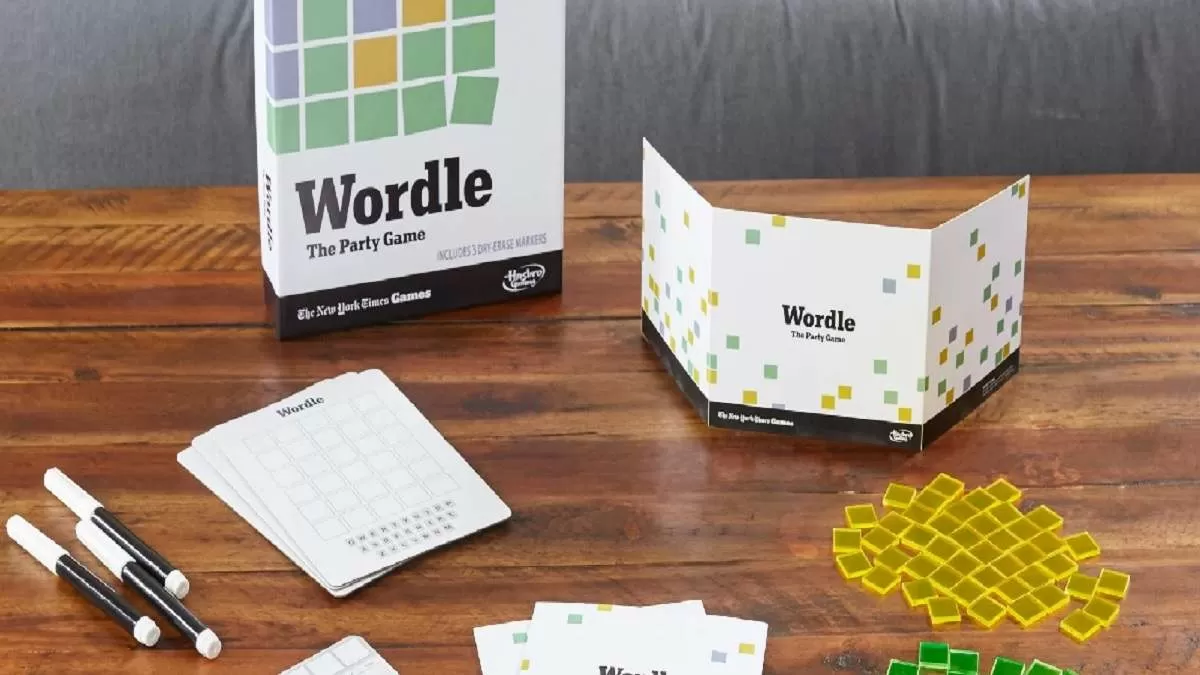
Colored tiles provide the main clues needed to solve Wordle. Understanding their meaning correctly is essential because every subsequent decision depends on the feedback from previous attempts. Green letters should remain in their confirmed positions, while yellow letters must be moved to different positions. Gray letters can usually be excluded from future guesses, provided that repeated-letter feedback has been interpreted correctly.
For example, imagine that a guess reveals a green letter in the first position and a yellow letter in the fourth position. Your next guess should preserve the first letter and place the yellow letter somewhere else. If several letters receive gray feedback, avoid including them unnecessarily in later guesses. However, repeated letters require additional care. A word may contain the same letter twice, and the game may mark one occurrence green or yellow while marking another gray. Learning to interpret these situations accurately can make your guesses more precise and reduce confusion during difficult puzzles.
Use Letter Frequency to Narrow Your Options
Letter frequency is another useful tool for solving word puzzles. In English, certain letters appear more often than others, making them valuable when exploring possible answers. Common letters such as E, A, R, O, T, and S frequently occur in everyday vocabulary. Considering these letters can help players generate plausible words when the available information is limited.
However, frequency should guide your thinking rather than determine every guess. A hidden answer may contain a less common letter, and relying exclusively on familiar combinations can cause you to overlook the correct solution. Once your previous attempts reveal specific letters, prioritize those confirmed clues over general frequency patterns. For instance, if the puzzle clearly contains a less common consonant, concentrate on words that include it rather than continuing to test common letters. The objective is to combine general knowledge of English spelling with the direct evidence provided by the game.
Recognize Common Five-Letter Word Patterns
Many five-letter English words follow familiar spelling structures. Some end in common combinations such as -ER, -ED, or -LY, while others contain repeated consonants or recognizable vowel patterns. Identifying these structures can help you develop a shortlist of possible answers without examining every word you know.
Prefixes and suffixes can also provide useful clues. If the confirmed letters suggest a word ending in a particular combination, consider other words that share that ending. At the same time, remember that Wordle answers are not always predictable or built around the most obvious pattern. A word with an unusual vowel arrangement or repeated letter may still be the correct answer. Use familiar structures to organize your options, then verify each possibility against the colored feedback. This balanced approach helps you avoid guesses that sound plausible but contradict the information already collected.
Avoid Common Wordle Guessing Mistakes
One common mistake is repeating letters that previous feedback has already ruled out. This wastes an opportunity to test new possibilities and may leave too many unanswered questions. Another mistake is moving a yellow letter into a position that has already been shown to be incorrect. Before submitting a guess, take a moment to review the board and confirm that your word respects every known restriction.
Players also sometimes focus too heavily on finding the answer immediately instead of gathering useful information. During the early attempts, a guess can be valuable even when it does not solve the puzzle, provided it tests relevant letters or helps distinguish between possible answers. Random guessing, ignoring repeated letters, and refusing to reconsider an initial assumption can all make the challenge harder than necessary. A structured approach is generally more effective. Use each attempt to learn something, update your possible answers, and avoid repeating the same reasoning when the feedback suggests a different direction.
How to Find the Right Wordle Hint Without Spoilers
Not every player wants to see the answer immediately. Many prefer a gradual clue that preserves the satisfaction of solving the puzzle. If you want help without spoilers, look for hints that reveal general information first, such as the meaning of the word, its starting letter, or whether it contains a repeated character. These clues provide assistance while leaving room for independent thinking.
You can also create your own hints by examining the board carefully. Count the confirmed letters, identify the positions that remain uncertain, and consider the types of words that fit the pattern. If you are still stuck, take a short break before trying again. Returning with a fresh perspective can help you notice possibilities that were overlooked earlier. A good Wordle hint should make the challenge more manageable while preserving the excitement of discovering the answer yourself. Choosing the level of assistance that suits you can make the daily puzzle enjoyable regardless of your experience.
Benefits of Playing Wordle Regularly
Regular word puzzles can provide a convenient way to practice vocabulary, spelling, and logical reasoning. Because Wordle limits the number of attempts, players must make decisions carefully and evaluate the consequences of each guess. This encourages attention to detail and helps develop a habit of using evidence rather than relying entirely on intuition.
The daily format also makes the game easy to fit into a busy routine. A puzzle can serve as a brief mental break between work, study, or other responsibilities. Sharing results with friends and family can introduce a friendly competitive element, while discussing different strategies may reveal new ways to approach difficult words. Although Wordle should not be treated as a substitute for formal language learning, it can complement other vocabulary-building activities. The most important benefit is enjoyment: a short, engaging challenge can make language practice feel less like work and more like a rewarding daily habit.
Wordle Hint Strategies for Beginners
Beginners can improve their results by following a simple routine. Start with a familiar five-letter word that contains several common letters. Review the colored tiles carefully, preserve all confirmed positions, and move yellow letters to new positions. Then select a second word that tests useful possibilities instead of repeating the same unsuccessful combination.
As you gain experience, begin paying closer attention to repeated letters and less common spelling patterns. Try to maintain a small set of possible answers rather than committing to one too early. When you need extra assistance, use a clue that addresses your biggest uncertainty. For example, if you know four letters but cannot arrange them correctly, a positional hint may be more helpful than a general vocabulary clue. With practice, these steps become easier to apply, allowing beginners to approach each puzzle with a clear plan and greater confidence.
Frequently Asked Questions About Wordle Hints
1. What is a Wordle hint?
A Wordle hint is a clue that helps players identify the hidden five-letter word. It may provide information about a letter, its position, the word’s meaning, or a possible spelling pattern. Hints can be general or specific, depending on how much assistance a player wants. The purpose is to guide the solving process without necessarily revealing the complete answer.
2. How many guesses do you get in Wordle?
Players generally receive six attempts to identify the daily five-letter answer. After each guess, the game displays colored feedback showing which letters are correct, misplaced, or absent. Using this feedback carefully is essential because every attempt should help narrow the remaining possibilities.
3. Can I solve Wordle without using hints?
Yes. Many players solve the puzzle using only their guesses and the feedback provided by the game. A strong starting word, careful observation, and logical elimination can be enough. Hints are optional and can be especially useful when the answer contains an unfamiliar word or a difficult letter pattern.
4. What should I do when I have several possible answers?
Compare each candidate with the green and yellow letters, exclude letters confirmed absent, and check for repeated-letter possibilities. If several words still fit, consider a guess that tests useful remaining letters. A targeted hint can also help distinguish between the most likely options without immediately giving away the solution.
5. Are Wordle hints useful for improving vocabulary?
Hints can encourage players to consider unfamiliar words, examine spelling patterns, and connect letters with meanings. Over time, this process may increase familiarity with English vocabulary. Players can gain additional value by learning the meaning of a new answer after completing the puzzle rather than simply memorizing the word.
Conclusion
Wordle combines vocabulary, logic, and careful observation in a simple daily challenge. Although finding the hidden word can sometimes be difficult, players can improve their approach by selecting effective starting words, interpreting colored feedback accurately, recognizing common letter patterns, and avoiding repeated mistakes. Each guess should provide useful information that helps narrow the remaining possibilities.
Using a Wordle hint is a practical way to overcome a difficult moment without losing the enjoyment of solving the puzzle independently. Whether you prefer a subtle clue or a more specific suggestion, the key is to use the information thoughtfully and remain flexible when considering possible answers. With regular practice and a consistent strategy, the daily word puzzle can become a more rewarding experience that supports vocabulary development, logical thinking, and everyday entertainment.