


Introduction
Word puzzles have become a popular way for people to exercise their minds, improve vocabulary, and enjoy a short break from their daily routines. Among the many digital word games available today, Wordle has earned widespread attention because of its simple rules, limited number of attempts, and satisfying problem-solving experience. Players do not need special gaming skills or extensive knowledge to begin. Instead, they rely on familiar words, logical thinking, and careful observation to identify a hidden five-letter word.
Wordle New York Times is especially popular among people who enjoy a daily mental challenge. The game combines an easy-to-understand format with enough difficulty to keep players interested. Each guess provides clues that help narrow down the possible answer, encouraging players to adjust their approach rather than rely entirely on luck. Whether someone plays during breakfast, a work break, or before going to bed, the puzzle offers a convenient way to enjoy a few minutes of focused entertainment.
Understanding the rules and developing a consistent strategy can make the experience even more rewarding. Beginners can learn how the colored tiles work, while experienced players can explore better starting words and smarter letter combinations. Beyond entertainment, the game also encourages patience, attention to detail, and flexible thinking.
What Is Wordle New York Times?
Wordle is a daily word-guessing puzzle in which players attempt to identify a hidden five-letter English word. The game became an international sensation because it offers a straightforward challenge that can be completed in a short amount of time. Its format is accessible to casual players and word-game enthusiasts alike, making it suitable for different ages and levels of experience.
The New York Times acquired Wordle in 2022 and incorporated it into its collection of word games. The basic experience remains centered on solving one daily puzzle, using feedback from each attempt to discover the correct answer. Players have a maximum of six guesses, so every attempt matters. The challenge is not simply to enter words but to interpret the information provided by the game and use it efficiently.
Another reason for its popularity is its shared daily puzzle format. People can discuss their results with friends, family members, and colleagues without immediately revealing the answer. This creates a sense of community around a small daily activity. The combination of accessibility, competition, and logical deduction has helped the game maintain its appeal among a broad audience.
How to Play Wordle
The rules are easy to understand, even for someone who has never played a word puzzle online. Players begin with an empty row containing five spaces and enter a valid five-letter word. After submitting the guess, the game changes the colors of the tiles to show how closely the letters match the hidden answer.
Each puzzle provides up to six attempts. The objective is to find the correct word before running out of guesses. A player can use the feedback from previous attempts to make increasingly informed decisions. For example, if the first guess contains a letter that appears in the answer but occupies the wrong position, the next guess should place that letter somewhere else.
Players should avoid repeating guesses without considering the information already available. Every attempt can eliminate possible letters, confirm useful positions, or reveal combinations that may lead to the solution. A thoughtful approach often produces better results than entering random words. The goal is to make each guess contribute meaningful information while keeping several possible answers in consideration.
Understanding the Three Tile Colors
The colored tiles are the most important part of Wordle because they provide information about the hidden word. Green means the letter is correct and appears in the correct position. Yellow indicates that the letter exists in the answer but belongs in a different position. Gray means that the letter is not needed in the answer, although repeated letters can sometimes make this feedback less straightforward. Learning these distinctions helps players interpret their results accurately and make better decisions with each attempt.
For example, imagine that a player guesses the word CRANE. If the letter R turns green, it must remain in the second position in future guesses. If A turns yellow, it should be included elsewhere. If C turns gray, the player can generally eliminate it from consideration. Combining these clues gradually reduces the number of possible answers. Rather than treating every guess as a separate attempt, successful players view the entire puzzle as a process of collecting and interpreting evidence.
Choosing the Best Starting Word
The first guess can have a significant influence on the rest of the puzzle. A strong starting word contains several commonly used letters and, ideally, a useful combination of vowels and consonants. Words such as CRANE, SLATE, TRACE, and ARISE are popular examples because they can reveal information about multiple letters at once. However, there is no single starting word that guarantees a successful result every day.
Players should select a starting word that provides useful information rather than attempting to guess the answer immediately. Including common vowels can help identify the structure of the word, while frequently used consonants can reveal likely combinations. After receiving the first set of clues, the next guess should be chosen according to the available evidence. Repeating an unsuccessful letter unnecessarily wastes an opportunity to test something new.
Consistency also matters. Using the same starting word every day allows players to understand its strengths and limitations over time. Others prefer to experiment with different opening words to keep the experience interesting. Both approaches can work, provided the player considers the feedback carefully and adapts subsequent guesses to the information revealed.
Smart Strategies for Solving Daily Puzzles
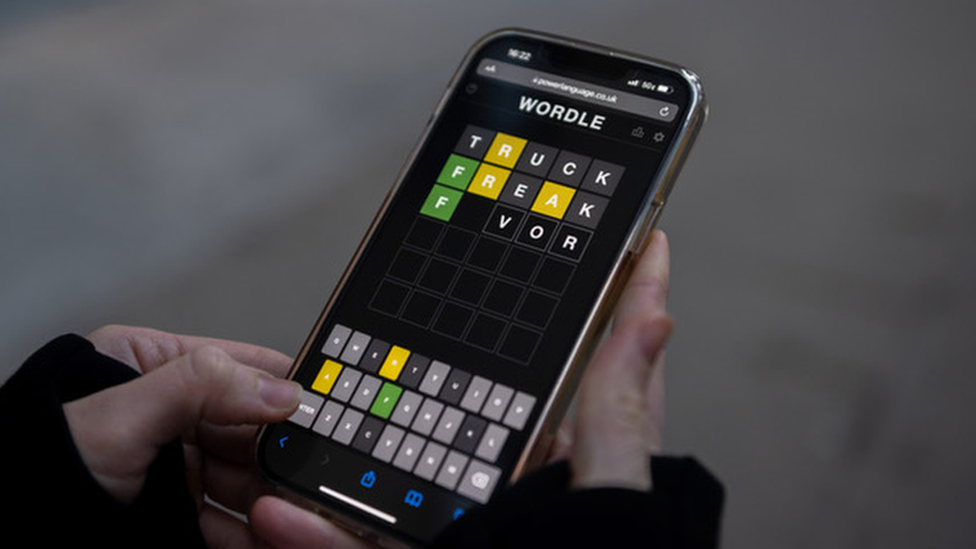
A successful strategy combines vocabulary knowledge with logical elimination. When playing Wordle New York Times, avoid choosing a word simply because it looks familiar. Instead, review the colors from earlier guesses and identify which letters are confirmed, misplaced, or unlikely to appear. This process creates a smaller set of possible answers and makes the next decision more manageable.
One useful technique is to think about letter frequency and common spelling patterns. English words frequently contain combinations such as ST, CH, TH, and ER, although these patterns should be treated as clues rather than fixed rules. If the available letters suggest a familiar word ending, consider several possibilities before submitting a guess. A word that tests new letters can be more useful than one that only confirms an answer you already suspect.
Another important strategy is to pay attention to duplicate letters. A word may contain the same letter twice, and a single guess does not always reveal that immediately. If a letter appears yellow or green in one tile but gray in another, the answer may contain fewer copies than the guess. Understanding this detail prevents players from eliminating the wrong possibilities. Careful reasoning, rather than speed alone, is what makes the puzzle enjoyable and rewarding.
Common Mistakes Beginners Should Avoid
New players often lose guesses by making decisions without reviewing earlier feedback. One frequent mistake is reusing gray letters when there is no evidence that they belong in the answer. Another is moving a yellow letter to a position that has already been ruled out. These errors are understandable at first, but keeping track of the clues makes the game easier to manage.
Players should also avoid becoming overly attached to their first guess. A suspected answer may seem convincing, yet several alternatives could fit the available information. Testing a different combination of letters can help distinguish between these possibilities. It is also important to remember that the objective is not simply to enter a plausible English word. The word must satisfy the clues revealed by previous attempts.
Finally, do not let a difficult puzzle turn into a frustrating experience. Some answers use less familiar vocabulary, unusual letter arrangements, or repeated characters. Taking a short pause can help you reconsider the available evidence. Treat unsuccessful attempts as opportunities to learn, and remember that the game is intended to provide entertainment rather than pressure.
Why Wordle Has Become So Popular
The popularity of Wordle comes partly from its simplicity. Unlike complex video games that require lengthy sessions, this daily puzzle can usually be completed in a few minutes. Players do not need advanced equipment or extensive instructions. A basic understanding of five-letter words and the color system is enough to begin, which makes the game accessible to a wide audience.
The shared daily challenge is another major attraction. Friends and family members can attempt the same puzzle and compare their results afterward. The familiar grid allows people to discuss their performance without necessarily revealing the answer. This creates a social experience around an individual activity, encouraging friendly competition and conversation.
The limited number of attempts also makes each decision meaningful. Players must balance experimentation with deduction, creating a satisfying feeling when the answer finally becomes clear. For language enthusiasts, the puzzle provides an opportunity to encounter unfamiliar words and think about spelling patterns. For casual players, it offers a simple daily routine that can be enjoyed without committing hours to a game.
Benefits of Playing Wordle Regularly
Regular word puzzles can encourage vocabulary development, spelling awareness, concentration, and logical reasoning. Players become more attentive to letter combinations and learn to consider several possibilities before reaching a conclusion. The process of testing a guess and interpreting its results also encourages a systematic approach to problem-solving.
Wordle New York Times can be particularly enjoyable for people who want a short mental activity during the day. Solving a puzzle requires focused attention, and the limited number of guesses encourages players to use their time thoughtfully. Repeated play may also help people become more comfortable with common English spelling patterns and less familiar words.
However, the benefits should be kept in perspective. Playing a word game is not a substitute for reading widely, studying a language, or participating in other activities that challenge the mind. Its main value lies in providing an enjoyable opportunity to practice language-related skills. The best experience comes from approaching the game with curiosity rather than expecting every puzzle to produce a measurable improvement.
Tips for Maintaining a Winning Streak
Maintaining a daily streak requires consistency, but it should not become a source of unnecessary stress. Try to play at a convenient time when you can concentrate without distractions. Rushing through guesses while multitasking may lead to avoidable mistakes, particularly when a puzzle contains repeated letters or several similar possibilities.
It can also help to develop a personal routine. Start with a familiar word, review the feedback, and then choose a second guess based on the information available. Keep track of confirmed letters and positions mentally or by referring to the game’s on-screen keyboard. If you have several possible answers, compare their spelling patterns before committing to one.
Players should remember that a streak measures consecutive successful days, not overall intelligence or language ability. Missing a puzzle does not mean that your strategy has failed completely. Instead, review the clues and consider what you could do differently next time. A balanced attitude makes the experience more enjoyable and encourages long-term participation without turning a relaxing activity into an obligation.
Frequently Asked Questions
1. How many guesses are allowed in Wordle?
Players have six attempts to identify the hidden five-letter word. Each valid guess provides color-coded clues that help narrow down the possible answer. Using the information from every attempt carefully improves the chances of solving the puzzle.
2. What do the colors mean in Wordle?
Green means a letter is in the correct position, yellow means the letter appears elsewhere in the answer, and gray indicates that the letter is not needed in the answer. Repeated letters can affect the feedback, so players should examine each tile carefully.
3. Is Wordle suitable for beginners?
Yes. Its rules are straightforward, and new players can start without previous experience. Learning the color system, choosing useful starting words, and paying attention to earlier guesses are good ways to build confidence.
4. Can Wordle improve vocabulary?
Playing can increase exposure to unfamiliar words and encourage players to recognize spelling patterns. However, vocabulary improvement depends on learning the meanings and usage of new words rather than simply guessing them correctly.
5. Why do players share their Wordle results?
Sharing results allows players to compare how many guesses they needed without necessarily revealing the solution. It creates friendly competition and gives people an easy topic to discuss with others who enjoy word puzzles.
Conclusion
Wordle is a simple yet engaging daily puzzle that combines vocabulary, logical reasoning, and careful decision-making. Its accessible rules make it easy for beginners to start playing, while the limited number of guesses provides enough challenge to keep experienced players interested. By understanding tile colors, selecting effective starting words, and learning from every attempt, players can develop a more consistent approach to solving the hidden word.
The continuing appeal of Wordle New York Times comes from its balance of simplicity, challenge, and social interaction. Whether your goal is to maintain a winning streak, practice English spelling, or enjoy a short break during the day, the game offers a rewarding experience. Focus on using the available clues, stay patient when a puzzle becomes difficult, and treat each attempt as an opportunity to improve your strategy.