


Introduction
Word games have always had a unique charm. They challenge the mind, expand vocabulary, and offer a sense of accomplishment in just a few minutes. Among these, Wordle has emerged as a global favorite, captivating millions with its minimalist design and clever gameplay. If you’ve ever wondered how to consistently solve the puzzle or improve your guessing skills, understanding how to play wordle is the first step toward mastery.
Unlike complex games that require long tutorials or heavy time investment, Wordle thrives on simplicity. Yet beneath that simplicity lies a layer of strategy, logic, and pattern recognition that keeps players coming back every day. This article explores the game in depth—from basic rules to advanced strategies—while maintaining a clear and conversational tone that makes learning easy and enjoyable.
What Is Wordle and Why Everyone Is Talking About It

Wordle is a daily word puzzle where players must guess a five-letter word within six attempts. Each guess reveals helpful clues using a color-coded system, guiding you toward the correct answer. The game resets every day, offering a fresh challenge that players across the world attempt simultaneously.
One of the reasons for its massive popularity is its accessibility. There are no ads interrupting gameplay, no complicated rules to memorize, and no need to download heavy apps. It’s a clean, focused experience that fits perfectly into a busy schedule. Whether you’re a student, a professional, or someone looking for a quick mental exercise, Wordle offers something for everyone.
Beyond its simplicity, Wordle also taps into a sense of community. Players often share their results without revealing the answer, sparking conversations and friendly competition. This shared daily ritual adds a social dimension that many other word games lack.
Understanding the Core Mechanics of Wordle
To truly grasp how to play wordle, it’s important to understand how the game functions at its core. At first glance, it might seem like a simple guessing game, but each move carries weight and requires thoughtful consideration.
You begin with a blank grid consisting of six rows, each representing a guess. With every attempt, you input a valid five-letter word. Once submitted, the game evaluates your guess and provides feedback through colors.
Green tiles indicate that a letter is both correct and in the right position. Yellow tiles show that a letter exists in the word but is placed incorrectly. Gray tiles mean that the letter does not appear in the word at all. This feedback system is the backbone of the game, transforming random guesses into informed decisions.
The key to success lies in interpreting these clues correctly and adjusting your strategy accordingly. Each guess should bring you closer to the solution, narrowing down possibilities and refining your understanding of the hidden word.
The Role of Strategy in Wordle
While luck may play a small role, Wordle is fundamentally a game of strategy. Players who approach it methodically tend to perform better than those who rely on random guesses. Developing a structured approach is essential when learning how to play wordle effectively.
A strong strategy begins with selecting a good starting word. Words that include common vowels and consonants provide valuable information early on. From there, each guess should build upon the previous one, eliminating unlikely letters and confirming correct ones.
Another important aspect of strategy is patience. Rushing through guesses often leads to mistakes, while careful analysis can reveal patterns that might otherwise go unnoticed. Over time, players develop an intuitive sense of which letters are likely to appear together, making the process smoother and more efficient.
Choosing the Perfect Starting Word
Your first guess sets the tone for the entire game. A well-chosen starting word can reveal multiple clues, giving you a significant advantage. On the other hand, a poor choice may leave you with little information and limited options.
Here is a comparison of some effective starting words and their benefits:
| Starting Word | Key Advantage | Letter Coverage |
|---|---|---|
| SLATE | Balanced mix | Common consonants + vowels |
| CRANE | High frequency letters | Strong early clues |
| AUDIO | Vowel-heavy | Tests multiple vowels quickly |
| RAISE | Popular choice | Covers frequent letters |
| TRACE | Strategic mix | Good for elimination |
These words are widely considered effective because they maximize information gain in the first move. As you become more experienced, you may develop your own preferred starting words based on personal comfort and success rate.
Interpreting Feedback Like a Pro
Understanding the color-coded feedback is crucial. It’s not just about recognizing colors—it’s about using them to make logical decisions. Many beginners struggle with this aspect, but mastering it is essential when learning how to play wordle.
Green letters should be locked into place for future guesses. They provide a stable foundation around which you can build the rest of the word. Yellow letters require repositioning, meaning you must try them in different spots until they fit correctly.
Gray letters are equally important. They help eliminate possibilities, ensuring that you don’t waste guesses on letters that are not part of the solution. By carefully tracking which letters have been ruled out, you can significantly narrow down your options.
Common Pitfalls and How to Avoid Them
Even experienced players occasionally fall into traps that hinder their progress. Recognizing these pitfalls can help you avoid unnecessary mistakes and improve your overall performance.
One common error is repeating gray letters. This often happens when players forget previous feedback or fail to track eliminated letters. Another mistake is ignoring letter placement, especially with yellow tiles. Placing a yellow letter in the same position again defeats the purpose of the clue.
Overconfidence can also be a problem. Assuming the word too early may lead to rushed guesses that don’t fully utilize available information. Staying grounded and methodical is key to consistent success.
Advanced Techniques for Better Results
Once you’re comfortable with the basics of how to play wordle, you can explore advanced techniques to enhance your gameplay. These strategies focus on efficiency and precision, helping you solve puzzles in fewer attempts.
One effective technique is using a “probe word” in your second or third guess. This involves choosing a word that introduces new letters rather than repeating known ones. It’s a way to gather additional information quickly, especially when your first guess doesn’t yield many clues.
Another advanced approach is pattern recognition. Certain letter combinations appear frequently in English words, such as “TH,” “CH,” or “ING.” Recognizing these patterns can help you make educated guesses and identify the correct word faster.
Additionally, understanding letter frequency can give you an edge. Letters like E, A, R, and T appear more often than others, making them valuable choices in early guesses.
The Psychological Side of Wordle
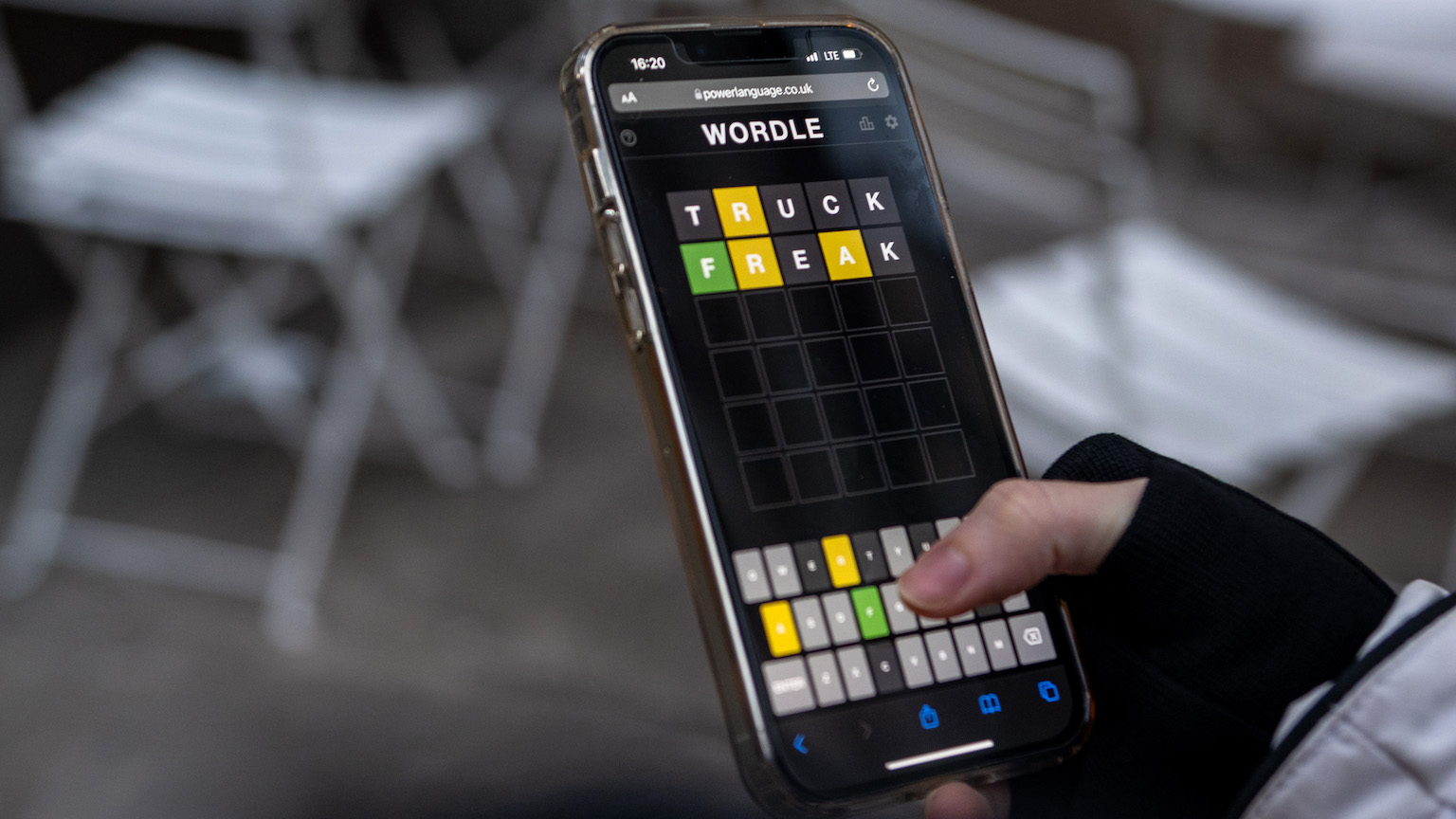
Wordle is not just a test of vocabulary—it’s also a mental exercise that engages various cognitive skills. Playing regularly can improve memory, enhance problem-solving abilities, and sharpen focus.
The game encourages players to think critically and adapt to new information. Each guess requires analysis, decision-making, and sometimes a bit of creativity. This combination makes Wordle both challenging and rewarding.
Moreover, the daily format prevents burnout. Since there’s only one puzzle per day, players can enjoy the game without feeling overwhelmed. This balance between challenge and accessibility is one of the reasons why Wordle has maintained its popularity over time.
Building a Daily Wordle Routine
Consistency is key when it comes to improving your skills. Establishing a daily routine can help you become more confident and efficient in solving puzzles.
Start by choosing a reliable opening word and sticking with it for a while. This allows you to track its effectiveness and make adjustments if needed. After each game, take a moment to reflect on your guesses and identify areas for improvement.
Over time, you’ll notice patterns in your thinking and develop a more intuitive approach to the game. This gradual progression is what makes learning how to play wordle such a satisfying experience.
Comparing Wordle With Other Word Games
While Wordle stands out for its simplicity, it’s interesting to compare it with other popular word games.
| Feature | Wordle | Crossword | Scrabble |
|---|---|---|---|
| Daily Challenge | Yes | No | No |
| Time Required | Short | Medium | Long |
| Skill Focus | Logic | Knowledge | Strategy |
| Accessibility | High | Medium | Medium |
Wordle’s unique combination of simplicity and challenge makes it appealing to a wide audience. It doesn’t require extensive knowledge or long play sessions, making it ideal for quick mental stimulation.
FAQs About Wordle
What is the main objective of Wordle?
The goal is to guess a hidden five-letter word within six attempts using logical clues provided after each guess.
Is Wordle suitable for beginners?
Yes, it’s designed to be simple and accessible, making it perfect for players of all skill levels.
Can I improve my success rate?
Absolutely. By practicing regularly and applying strategic thinking, you can significantly increase your chances of solving the puzzle.
Are there tricks to solving Wordle faster?
Using strong starting words, avoiding repeated letters, and analyzing feedback carefully can help you solve puzzles more efficiently.
Quick Highlights for Easy Understanding
- Wordle is a daily five-letter word puzzle
- Players have six attempts to guess correctly
- Color-coded feedback guides each guess
- Strategy and logic are key to success
- Practice improves performance over time
Conclusion: Your Journey to Wordle Mastery
Mastering how to play wordle is not about memorizing words or relying on luck—it’s about developing a thoughtful approach and refining your strategy with each game. The beauty of Wordle lies in its simplicity, but true success comes from understanding its deeper mechanics.
By choosing effective starting words, interpreting feedback accurately, and avoiding common mistakes, you can greatly improve your chances of solving the puzzle. Over time, these habits become second nature, turning each daily challenge into an enjoyable and rewarding experience.
Stay consistent, remain patient, and embrace the learning process. With practice and the right mindset, you’ll not only solve Wordle more often but also gain a deeper appreciation for the art of word puzzles.
Read More:-