


Introduction to the Daily Word Puzzle Craze
Word games have always held a special place in human culture, but few have reached the level of popularity that Wordle enjoys today. Every morning, players across the globe wake up with a shared curiosity: what is today’s wordle? This simple question represents more than just a puzzle—it reflects a daily ritual that blends curiosity, challenge, and satisfaction.
Wordle’s charm lies in its accessibility. There’s no need for downloads, no complicated rules, and no overwhelming interface. Instead, it offers a clean, focused experience where your vocabulary and reasoning skills take center stage. In a world filled with distractions, this simplicity is refreshing.
As you dive deeper into the game, you’ll realize that solving Wordle consistently requires more than just knowing words. It demands strategy, patience, and a willingness to learn from each attempt. This article explores everything you need to know, from understanding the basics to mastering advanced techniques.
What Makes Wordle So Addictive?
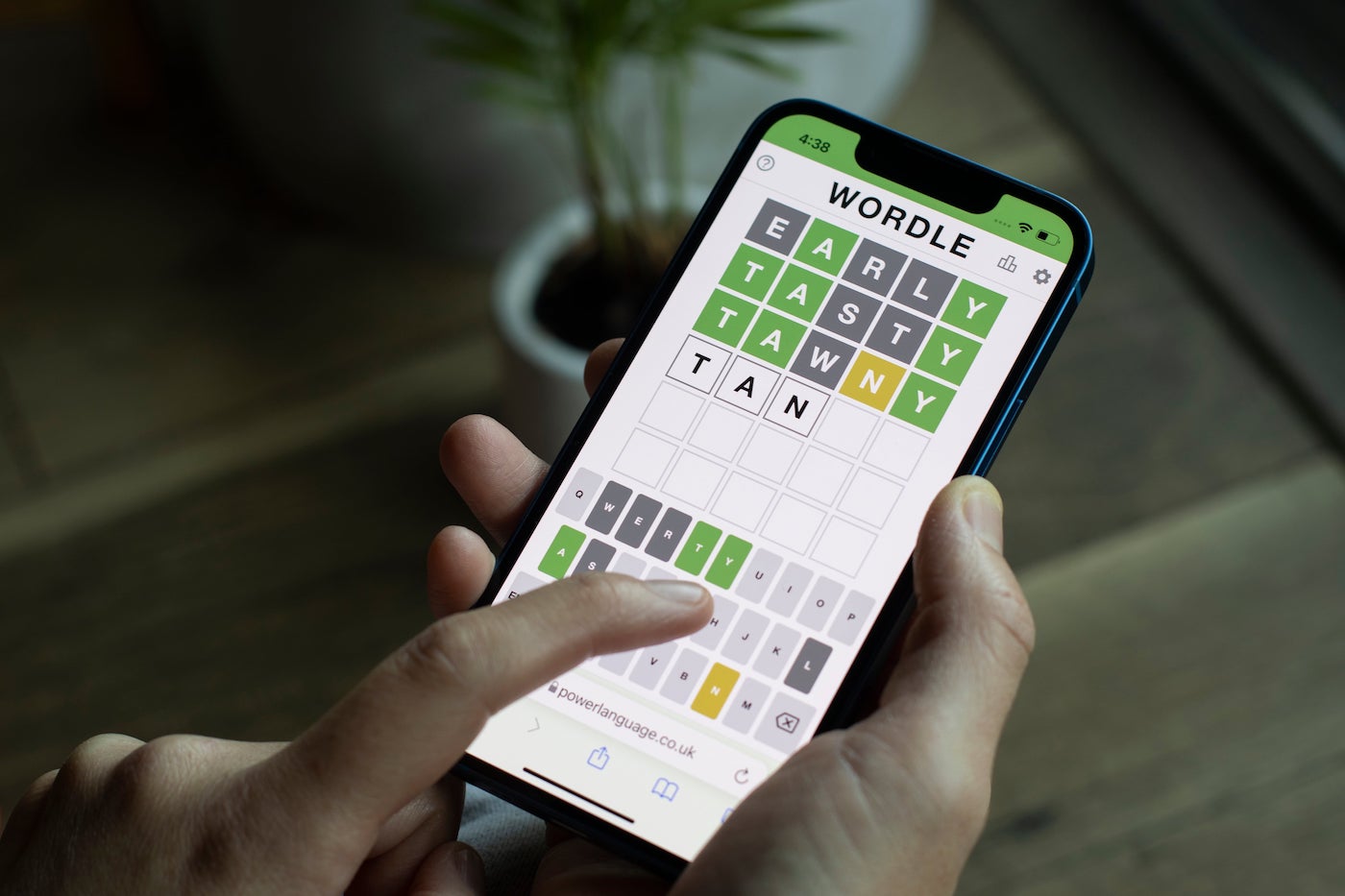
At first glance, Wordle might seem like just another word game. However, its addictive nature comes from a combination of psychological and design factors that keep players coming back daily.
One key reason is the limitation of one puzzle per day. Unlike other games that encourage endless play, Wordle creates anticipation. You cannot binge it, which makes each attempt feel valuable. This scarcity increases engagement and makes players eager to return the next day.
Another reason is the sense of achievement. Solving the puzzle within a limited number of attempts triggers a feeling of accomplishment. Even when you struggle, the process itself is rewarding because it challenges your thinking.
Social sharing also plays a role. Many players enjoy posting their results, comparing strategies, and discussing clues. This communal aspect transforms a solo activity into a shared experience.
Understanding the Core Mechanics of Wordle
How the Game Works
Wordle revolves around guessing a five-letter word within six attempts. Each guess provides feedback that guides your next move. This feedback system is what makes the game both challenging and fair.
Green tiles indicate that a letter is correct and in the right position. Yellow tiles show that a letter is correct but misplaced. Gray tiles mean the letter is not part of the word at all.
This system ensures that every guess contributes to solving the puzzle. Instead of random guessing, players are encouraged to think logically and refine their choices based on the clues provided.
Why Feedback Matters
The feedback is not just helpful—it is the foundation of the game. Each color-coded response acts as a clue that narrows down possibilities. Players who interpret these clues effectively tend to solve puzzles faster and with fewer attempts.
When people search for what is today’s wordle, they often do so after misinterpreting feedback or reaching a dead end. Learning to read these clues accurately can significantly reduce the need for external help.
The Psychology Behind Daily Word Games
Wordle taps into several psychological principles that make it highly engaging. One of these is the concept of routine. Playing the puzzle daily creates a habit, and habits are powerful drivers of behavior.
Another factor is cognitive challenge. The game stimulates the brain by requiring memory recall, pattern recognition, and logical reasoning. These mental exercises are not only enjoyable but also beneficial for long-term cognitive health.
There’s also an element of curiosity. The unknown answer creates a sense of intrigue that motivates players to keep guessing. Even when stuck, the desire to uncover the solution keeps them engaged.
Choosing the Perfect Starting Word
Why Your First Guess Matters
The first guess sets the tone for the entire game. A strong opening word can reveal multiple clues, while a weak one may leave you with little information.
A good starting word typically includes a mix of vowels and common consonants. This increases the chances of identifying correct letters early on.
Characteristics of Effective Starting Words
Words that contain frequently used letters tend to perform better. Letters like A, E, R, S, and T appear often in English words, making them valuable in early guesses.
Avoid repeating letters in your first attempt, as this limits the amount of information you gain. Instead, focus on maximizing coverage of different letters.
Over time, players develop their preferred starting words. This consistency helps build familiarity and improves overall performance.
Strategic Thinking: Moving Beyond Guesswork
Eliminating Possibilities
One of the most effective strategies is to eliminate incorrect letters as quickly as possible. Each gray tile removes a letter from consideration, narrowing down your options.
This process of elimination is crucial for solving the puzzle efficiently. Instead of guessing randomly, you use logic to reduce uncertainty.
Using Known Letters Effectively
When you identify correct letters, your focus should shift to placing them in the right positions. This requires careful thought and experimentation.
Rearranging known letters while introducing new ones can help you uncover the correct combination. This balance between exploration and refinement is key to success.
Avoiding Common Pitfalls
Many players make the mistake of ignoring previous clues. Reusing eliminated letters or overlooking correct ones can lead to wasted attempts.
Another common error is rushing. Taking a moment to analyze the board can make a significant difference in your results.
A Comparative Look at Wordle Strategies
| Strategy Type | Description | Effectiveness |
|---|---|---|
| Random Guessing | Choosing words without logic | Low |
| Vowel-Heavy Start | Using words with multiple vowels early | Medium |
| Balanced Approach | Mixing vowels and common consonants | High |
| Pattern Recognition | Identifying common word structures | Very High |
| Elimination Method | Systematically removing incorrect letters | Excellent |
This table highlights how different approaches impact your chances of success. Players who rely on structured strategies tend to perform better over time.
The Role of Vocabulary in Wordle
A strong vocabulary can be an advantage, but it is not the only factor that determines success. Even players with average vocabulary skills can excel by applying logical strategies.
However, expanding your vocabulary does help in recognizing possible word combinations. It also increases your ability to think of alternative guesses when stuck.
Reading regularly, playing word games, and learning new words can gradually improve your performance.
Patterns and Trends in Wordle Answers
Over time, players have noticed certain patterns in Wordle answers. Most words are common and familiar, avoiding obscure or highly technical terms.
Plural forms are less common, and the game tends to favor standard dictionary words. Understanding these trends can give you an edge when narrowing down possibilities.
When searching for what is today’s wordle, many players are surprised by how simple yet tricky the answer can be. This balance keeps the game interesting and unpredictable.
Advanced Techniques for Consistent Wins
Analyzing Letter Frequency
Certain letters appear more frequently in English words. Prioritizing these letters in your guesses increases your chances of identifying correct ones early.
This technique is especially useful in the first few attempts, where gathering information is crucial.
Thinking in Word Structures
English words often follow predictable patterns. Recognizing these patterns can help you form educated guesses.
For example, common endings like “-ER” or “-LY” can guide your thinking when you have partial information.
Refining Your Approach
As you gain experience, your strategy will evolve. You’ll learn which methods work best for you and adapt accordingly.
This continuous improvement is part of what makes Wordle so engaging.
Quick Winning Tips
Start with a balanced word containing vowels and consonants
Pay close attention to color-coded feedback
Eliminate incorrect letters systematically
Use logic instead of random guesses
Stay patient and think before each move
The Social Aspect of Wordle

Wordle’s popularity is closely tied to its social features. Players enjoy sharing their results, comparing strategies, and discussing solutions.
This interaction creates a sense of community and adds an extra layer of enjoyment to the game. It also encourages friendly competition, motivating players to improve their performance.
The daily nature of the game ensures that everyone is solving the same puzzle, making it a shared experience across different regions and cultures.
Should You Look Up the Answer?
There’s an ongoing debate about whether it’s acceptable to search for answers. Some players prefer to solve the puzzle independently, while others occasionally seek help.
Looking up what is today’s wordle can be helpful if you’re stuck or trying to maintain a streak. However, relying on answers too often may reduce the challenge and satisfaction.
Ultimately, the decision depends on your personal preferences and goals.
Building a Consistent Wordle Routine
Developing a routine can improve your performance and make the game more enjoyable. Playing at the same time each day helps establish a habit.
Using a consistent starting word allows you to refine your strategy over time. Reflecting on past puzzles can also help you identify areas for improvement.
Consistency is key to mastering Wordle and achieving better results.
Common Mistakes to Avoid
Many players fall into similar traps that hinder their progress. Recognizing these mistakes can help you avoid them.
One common error is ignoring feedback. Each clue is valuable, and overlooking it can lead to repeated mistakes.
Another mistake is rushing through guesses. Taking time to think can significantly improve your chances of success.
The Benefits of Playing Wordle Daily
Wordle offers more than just entertainment. It provides cognitive benefits that contribute to mental well-being.
Regular play can enhance memory, improve problem-solving skills, and expand vocabulary. It also serves as a relaxing activity that helps reduce stress.
Incorporating Wordle into your daily routine can be both enjoyable and beneficial.
FAQs About Wordle
What is today’s Wordle?
It refers to the daily puzzle that players attempt to solve. Many people search for what is today’s wordle to find hints or confirm their answers.
Is Wordle the same for everyone?
Yes, the puzzle is identical worldwide, creating a shared experience for all players.
Can I play more than one puzzle per day?
Officially, only one puzzle is available daily, but some platforms offer archives.
What happens if I fail to solve it?
You can try again the next day. Failing does not prevent you from continuing to play.
Are there strategies to improve?
Yes, using logical guessing, analyzing feedback, and practicing regularly can improve your performance.
Conclusion: Becoming a Better Wordle Player
Wordle is more than just a daily puzzle—it’s a mental exercise that challenges your thinking and rewards persistence. While many players search for what is today’s wordle, the real joy lies in solving it independently.
By understanding the mechanics, applying effective strategies, and learning from each attempt, you can significantly improve your performance. Avoid common mistakes, stay patient, and embrace the challenge.
The next time you sit down to play, approach the puzzle with confidence and curiosity. With practice and the right mindset, you’ll not only solve the puzzle more often but also enjoy the journey along the way.