


Introduction
The Wordle game has become a popular daily word puzzle for people who enjoy language, logic, and short challenges. Its simple format makes it easy to understand, while the limited number of guesses creates an interesting test of vocabulary and deduction. Players attempt to discover a hidden five-letter word by entering guesses and using colored clues to determine which letters are correct, misplaced, or absent.
Unlike many long-form games, Wordle can usually be completed within a few minutes. This makes it convenient for people who want a quick mental challenge during a break or as part of a daily routine. Although the basic rules are simple, successful solving requires a combination of vocabulary knowledge, strategic guessing, pattern recognition, and logical elimination. Understanding these elements can help new players approach the puzzle more confidently while allowing experienced players to refine their solving methods.
What Is the Wordle Game?
The Wordle game is a word puzzle centered around a hidden five-letter word. Players normally have six attempts to identify the answer. After each guess, the puzzle provides visual feedback about the letters in the submitted word.
A correctly placed letter is indicated as being in the right position, while a correct letter appearing in another position receives a different indication. Letters that do not appear in the answer are identified separately. Players use this information to modify their next guesses.
The appeal of the game comes from its balance between simplicity and challenge. Players do not need extensive instructions or complicated controls. Instead, they need to think carefully about the information provided after each guess. Every attempt can reduce the number of possible answers and bring the player closer to the hidden word.
How the Wordle Game Works
The basic process is straightforward. A player begins by entering a five-letter word as the first guess. The puzzle then evaluates every letter and provides clues. The player uses these clues to choose a second word that provides additional information.
For example, if a letter appears in the correct position, that position becomes an important clue for future guesses. If a letter is present but positioned incorrectly, the player knows that it must be moved. If a letter is absent, the player can generally eliminate words containing that letter.
The process continues until the player identifies the hidden word or uses all available attempts. Because each guess provides information, random guessing is usually less useful than making deliberate choices based on previous clues.
Understanding the Color Clues
One of the most important parts of the Wordle game is understanding its feedback system. The puzzle uses different visual states to communicate whether individual letters are useful.
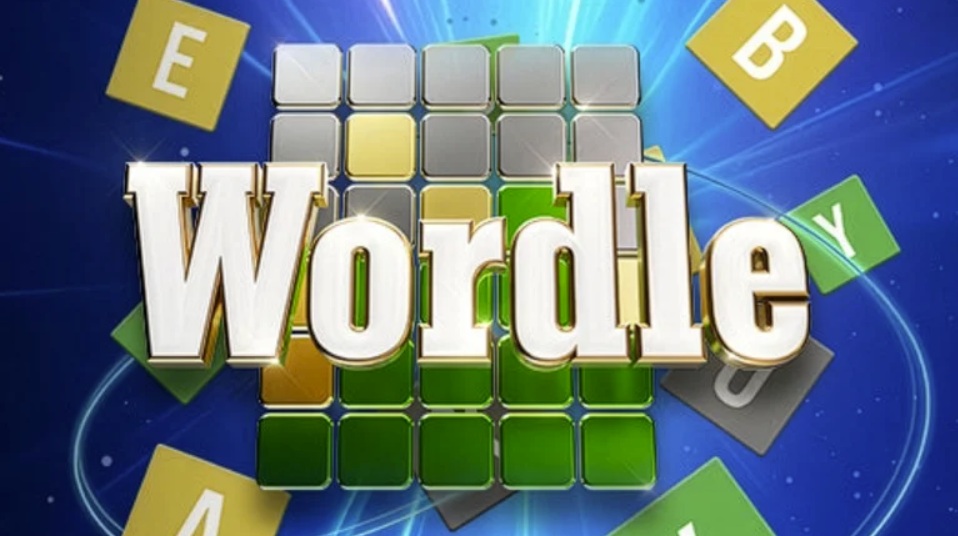
A green or equivalent positive indicator generally means the letter is correct and in the correct position. A yellow or alternative indicator generally means the letter exists in the answer but is in the wrong position. A gray or neutral indicator generally means the letter does not occur in the answer.
Players should pay attention to the position of every confirmed letter. A correct letter in the wrong location is still valuable information because it limits where that letter can appear in subsequent guesses.
Repeated letters can make the clues more complicated. A letter may appear more than once in a word, and the feedback can depend on how many instances of that letter are actually present in the answer. Careful observation is therefore essential.
Choosing a Strong First Guess
The first guess can have a significant effect on the solving process. A useful opening word usually contains several common letters and provides broad information about possible vowels and consonants.
Many players prefer words that include frequently occurring letters. Including multiple vowels can also help determine the general structure of the hidden word. However, there is no single opening word that guarantees a solution.
The best approach depends partly on personal strategy. Some players prefer maximizing information, while others enjoy beginning with a familiar word. The important principle is to select an opening guess that can provide useful clues for later attempts.
Using Letter Frequency
English has patterns in the frequency with which letters appear in words. Some letters occur much more often than others, and understanding these patterns can help players make efficient guesses.
For example, common consonants can be useful when a player has little information about the answer. Common vowels can also help establish whether the hidden word contains a familiar vowel structure.
Letter frequency should not be treated as an absolute rule. Uncommon letters sometimes appear in puzzle answers, and overusing frequency assumptions can cause players to overlook valid possibilities. It is better to combine general letter knowledge with the specific clues provided by the puzzle.
Eliminating Incorrect Letters
A major part of solving the Wordle game involves elimination. Once the puzzle indicates that a particular letter is not included in the answer, players can remove words containing that letter from consideration.
This becomes increasingly powerful after several guesses. Instead of thinking about thousands of possible five-letter words, players can focus on a much smaller group that matches the confirmed information.
Keeping track of eliminated letters mentally is possible, but some players find it helpful to organize the information systematically. The goal is to avoid accidentally reusing letters that have already been ruled out and to concentrate on the remaining possibilities.
Using Confirmed Letters
Correctly identified letters provide some of the strongest clues in the puzzle. If several letters are confirmed, players can look for familiar word patterns that fit those positions.
For example, a pattern such as _ A _ E _ immediately reduces the possible answer set. The player can then consider common words that fit the pattern while avoiding letters that have already been eliminated.
When a letter is confirmed but misplaced, players should also remember that its position has been ruled out. This distinction is important because repeatedly placing a yellow letter in the same incorrect position wastes a valuable guess.
Dealing With Repeated Letters
Repeated letters can create some of the most difficult situations in the puzzle. A player may discover that a particular letter exists in the answer but may not immediately know whether it appears once or more than once.
The feedback can provide clues about repeated letters, but interpreting those clues requires attention. Players should consider how many times a letter appears in their guess and compare that with the feedback received.
When a word seems to fit all known clues but still fails, repeated letters may be worth considering. This can open new possibilities that players might otherwise overlook.
Common Mistakes Players Make
One common mistake is using guesses that do not provide enough new information. If a player already knows several letters, repeating the same unknown letters without testing alternatives may waste an opportunity.
Another mistake is ignoring letter position. Knowing that a letter belongs in the answer is useful, but knowing where it cannot go is equally important. Players should carefully record both positive and negative information.
Some players also become too focused on uncommon words. Although unusual words may occasionally be valid, starting with highly obscure possibilities can make the puzzle unnecessarily difficult. Considering common word patterns first is often a more practical approach.
Improving Your Wordle Skills
Improving at the Wordle game comes mainly through practice and careful observation. Players gradually become familiar with common five-letter patterns, frequent letter combinations, and typical word structures.
Reading regularly can also improve vocabulary. A larger vocabulary gives players more possible words to consider when clues narrow down the answer. Learning new words encountered during puzzles can therefore improve future performance.
Another useful habit is reviewing unsuccessful games. Instead of simply moving on after losing, players can consider which clues they missed or which guesses provided limited information. This reflection can help improve future decision-making.
Strategic Guessing
Strategic guessing means choosing words that maximize useful information. Sometimes the best guess is not the word most likely to be the answer but a word that tests several uncertain letters.
For example, if the player has several possible answers remaining, a strategically selected guess can test letters shared across those possibilities. Even if that word is not the solution, its feedback can eliminate several alternatives.
This approach becomes particularly useful in later guesses. The player has limited attempts remaining, so each guess should ideally serve a clear purpose.
Vocabulary and Learning Benefits
The Wordle game can provide an enjoyable way to engage with language. Players encounter different word patterns and may discover terms they do not commonly use in everyday conversation.
The puzzle also encourages attention to spelling and letter placement. Players must think about how words are constructed rather than simply recognizing them visually.
For students and language learners, this type of activity can complement traditional vocabulary practice. It should not replace structured language learning, but it can provide an engaging additional exercise for spelling, word recognition, and logical reasoning.
Why the Wordle Game Is Popular
The popularity of the Wordle game can be partly explained by its simplicity. There is no complicated learning curve, and a typical puzzle does not require a large time commitment.
The daily format can also encourage consistency. Players have a new challenge to think about rather than an endless collection of puzzles that may become overwhelming.
Another appealing feature is the combination of language and logic. Players need vocabulary knowledge, but vocabulary alone is not enough. They must interpret clues and make strategic choices, which gives the puzzle a satisfying problem-solving element.
Tips for New Players
New players should begin by learning exactly what each clue means. Understanding the feedback system is more important than memorizing complicated strategies.
Choose an opening word containing several useful letters, then use the feedback to guide subsequent guesses. Avoid repeatedly testing letters that have already been ruled out.
As the puzzle develops, focus on patterns rather than trying to think of every five-letter word you know. Look for possible endings, vowel arrangements, and common consonant combinations.
Most importantly, do not become discouraged by difficult puzzles. The goal is to practice reasoning and vocabulary while enjoying the challenge.
Conclusion
The Wordle game is a simple but engaging word puzzle that combines vocabulary, deduction, spelling, and strategic thinking. Players have a limited number of attempts to identify a hidden five-letter word, using feedback from each guess to gradually narrow the possibilities.
Successful solving depends on understanding the clues, selecting useful guesses, eliminating incorrect letters, recognizing patterns, and paying attention to repeated letters. Over time, regular practice can improve both puzzle-solving strategies and familiarity with English vocabulary.
Whether played casually or approached as a daily mental exercise, Wordle offers a short and accessible language challenge. By treating each guess as a source of information rather than simply an attempt to get lucky, players can develop a more thoughtful approach to solving five-letter word puzzles.