


Introduction
Word puzzles have become a popular way for people to exercise their vocabulary, spelling, and logical thinking. Among the many daily word games available, Wordle stands out because its rules are simple while the challenge can vary considerably from one puzzle to another. Many players search for the wordle answer today when they are stuck on their final few attempts or want to confirm their solution after playing. However, finding the answer is only one part of the experience. Learning how to approach the puzzle logically can make each game more enjoyable and improve solving ability over time. By understanding letter frequency, common word patterns, strategic opening guesses, and the meaning of the colored clues, players can make more informed choices. A thoughtful strategy can often turn a difficult puzzle into a manageable one without relying entirely on the final answer.
Understanding the Daily Word Puzzle
Wordle is based on a straightforward objective: players try to identify a hidden five-letter word within a limited number of guesses. Each guess provides information that can guide the next attempt. Correct letters in the correct positions receive one type of indication, while correct letters in the wrong positions receive another. Letters that do not appear in the target word are marked differently. This feedback system makes the game more than a simple vocabulary test. Players must combine language knowledge with deduction and pattern recognition. People looking for the wordle answer today may already understand the basic rules but still struggle with the final solution because several possible words can fit the available clues. The best approach is to treat every guess as a source of information rather than simply trying random words.
Why the First Guess Matters
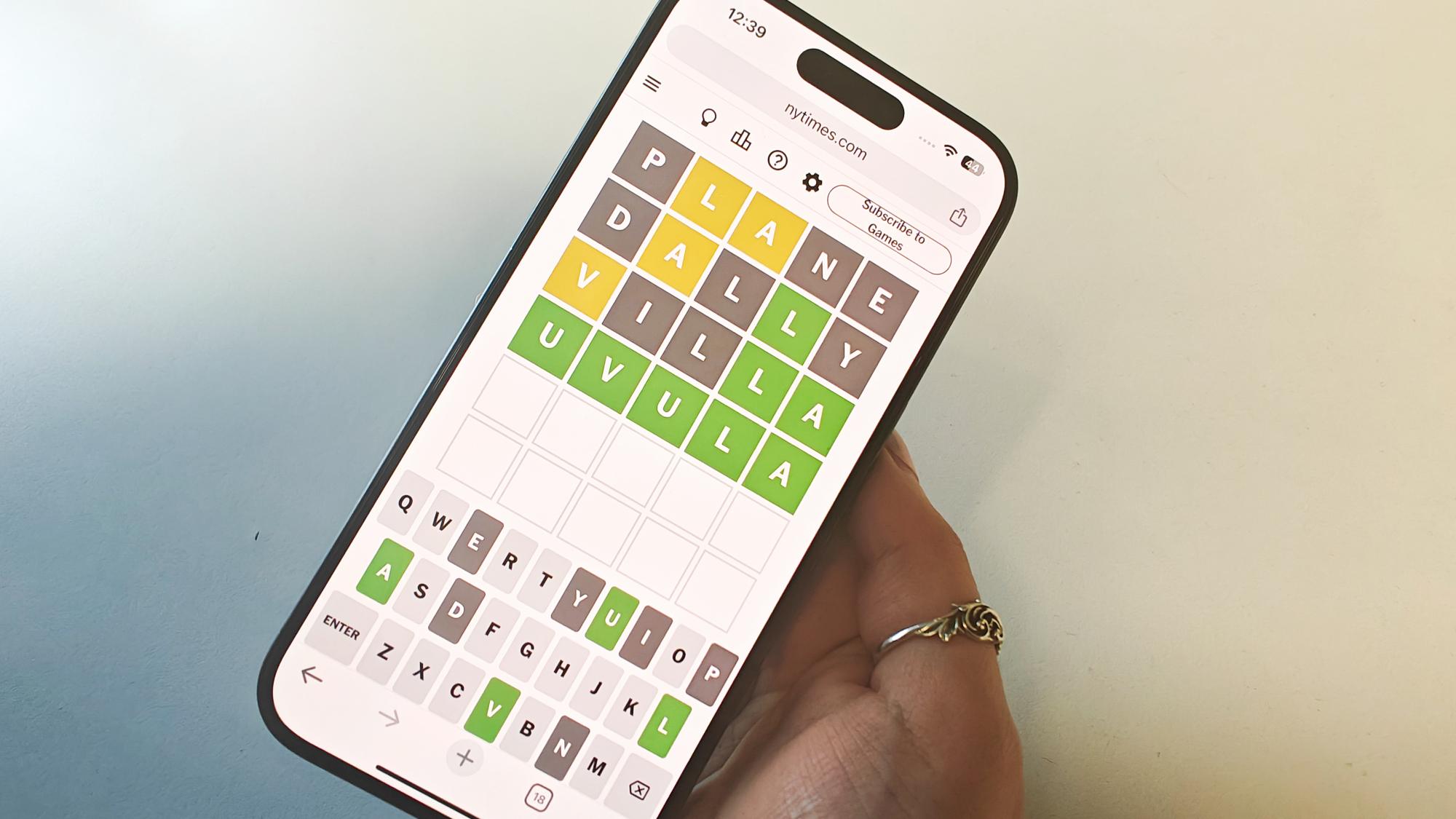
The opening guess can have a major influence on the rest of a Wordle game. An effective starting word usually contains several common letters and may include a useful combination of vowels and consonants. The purpose is not necessarily to solve the puzzle immediately but to gather information about which letters are present. For example, a starting word containing common vowels can help determine the general structure of the hidden word. A player who searches for the wordle answer today after becoming stuck may discover that their early guesses provided too little useful information. Choosing opening words strategically can reduce this problem. Players can experiment with different starting words and observe which ones consistently reveal useful letter information. Over time, developing a preferred starting strategy can make the first few turns more efficient.
Using Green Letter Clues
A correctly positioned letter is one of the most valuable clues in Wordle. Once a letter is confirmed in a specific position, players should preserve it in subsequent guesses unless there is a strong reason to reconsider the interpretation. For example, if the second position is confirmed, future guesses should normally keep that letter there. This reduces the number of possible solutions and makes the puzzle easier to analyze. Players searching for the wordle answer today often become stuck because they focus too much on finding new letters and overlook the importance of established positions. Green clues provide structure. Instead of thinking about every possible five-letter word, players can focus on words matching the known pattern. This transforms the puzzle from a broad vocabulary challenge into a narrower pattern-recognition exercise.
Making the Most of Yellow Clues
Yellow clues indicate that a letter belongs somewhere in the answer but is currently in the wrong position. These clues are extremely useful because they provide certainty about the letter while requiring the player to reconsider its placement. A common mistake is to continue placing the yellow letter in the same position on later guesses. Instead, players should deliberately move it to another likely position. Combining yellow letters with confirmed green positions can quickly reduce the number of possible answers. When searching for the wordle answer today, players should create a mental pattern based on all confirmed information. They should also remember that a letter may appear more than once, depending on the target word. Paying attention to repeated-letter possibilities can be particularly important during difficult puzzles.
Eliminating Gray Letters
Incorrect letters are not useless clues. When Wordle indicates that a letter does not belong in the answer, players can immediately remove words containing that letter from consideration. This process of elimination is one of the simplest ways to reduce the solution space. Instead of asking only which letters might appear, players should also ask which letters definitely cannot appear. This becomes especially important toward the end of a game when several potential answers look similar. A player searching for the wordle answer today can often solve the puzzle by carefully combining excluded letters with known positions. Keeping track of eliminated letters prevents repeated mistakes and makes guesses more deliberate. The more information a player records mentally or visually, the fewer possibilities remain.
Recognizing Common Word Patterns
English contains many recurring letter combinations that can help Wordle players identify potential solutions. Common endings, vowel combinations, consonant pairs, and prefixes can narrow down possible words considerably. For example, recognizing familiar patterns can help players determine whether a particular arrangement is likely to form a valid English word. However, players should avoid assuming that every puzzle follows an obvious pattern. Wordle can select words that challenge common expectations, which is part of what makes the game interesting. Pattern recognition works best when combined with the colored feedback from previous guesses. Players who frequently search for the wordle answer today can improve by studying the structure of difficult solutions after the game rather than simply memorizing them. Understanding why a word was difficult can provide useful knowledge for future puzzles.
Managing Repeated Letters
Repeated letters can make a Wordle puzzle significantly more challenging. A player may identify a letter correctly but assume that it appears only once. In some solutions, however, the same letter can occur multiple times. This can create confusing feedback, particularly when one occurrence is marked differently from another. When a puzzle seems impossible despite several confirmed letters, repeated letters are worth considering. Players should review their previous guesses and determine whether the feedback could indicate multiple occurrences. This is another reason why searching for the wordle answer today before fully analyzing the available clues may reduce the learning opportunity. Recognizing repeated-letter patterns helps players become more comfortable with unusual solutions and improves their ability to interpret feedback accurately.
Avoiding Random Guesses
Random guessing can feel tempting when only a few attempts remain, especially when several possible words seem plausible. However, a random guess may provide little useful information and could eliminate an opportunity to test an important letter combination. A better strategy is to select a word that either fits the known pattern or tests several remaining possibilities. Even when the chosen word is not the answer, it should ideally provide information that helps with the next attempt. This approach changes each guess into a deliberate experiment. Players who regularly look for the wordle answer today can improve their skills by delaying the reveal and first asking what information they already have. A few seconds of logical analysis can often be more valuable than immediately searching for the solution.
Building a Personal Solving Strategy
Every player develops different preferences for approaching Wordle. Some people prefer vowel-heavy opening words, while others focus on common consonants. Some players solve by visualizing possible word patterns, whereas others mentally create lists of candidates. There is no single strategy that works perfectly for everyone. The important thing is to develop a method that consistently produces useful information. Players can review their completed games and identify where they usually make mistakes. Perhaps they overlook repeated letters, reuse eliminated letters, or fail to move yellow letters. Recognizing these habits can lead to better results. Instead of treating the wordle answer today as the only important outcome, players can use each puzzle as practice. The long-term objective is to become faster, more accurate, and more confident at solving unfamiliar five-letter words.
Improving Vocabulary Through Wordle
Wordle can be more than a daily game because it naturally exposes players to vocabulary. Some solutions may be familiar, while others may be words that players rarely encounter. When an unfamiliar answer appears, looking up its meaning afterward can turn the puzzle into a learning opportunity. Players can remember the word by connecting it to the pattern of the game in which they encountered it. This can gradually expand vocabulary without requiring formal memorization. People who search for the wordle answer today can benefit even more if they take a moment to understand the solution after finding it. Learning its definition, pronunciation, related words, and common usage can make the new vocabulary more memorable. Over time, daily exposure to different five-letter words can strengthen spelling and word recognition.
What to Do When You Are Stuck
Getting stuck is a normal part of playing Wordle. When several guesses have failed, continuing to stare at the same pattern may not help. Taking a short break and returning with a fresh perspective can make a surprising difference. Another useful approach is to write down the confirmed letters mentally and separate them from eliminated ones. Then consider which common word structures could fit the remaining positions. Players should also reconsider whether they have overlooked a repeated letter. If all attempts fail, checking the wordle answer today can provide closure and allow the player to understand where their reasoning went wrong. Rather than viewing the reveal as a failure, players can examine the solution and identify which clue they misunderstood. This makes the experience educational and can improve performance in future games.
Why Daily Practice Helps
Like many skills, Wordle solving can improve through regular practice. Playing once a day exposes players to different letter combinations and vocabulary patterns without requiring a large time commitment. Over weeks and months, players begin to recognize common structures more quickly. They may also become better at estimating which letters are likely to occur in particular positions. Daily practice can strengthen both vocabulary and logical deduction because players must constantly combine linguistic knowledge with information from previous guesses. Even difficult puzzles can become valuable learning experiences. Instead of focusing exclusively on whether a game was solved in a small number of attempts, players can consider whether each guess was useful. This mindset encourages strategic thinking and makes the daily puzzle more rewarding.
Conclusion
Wordle combines vocabulary, deduction, spelling, and pattern recognition in a simple daily format. Although many players search for the wordle answer today when they are stuck, developing a reliable solving strategy can provide a more satisfying experience. Choosing informative opening guesses, interpreting green and yellow clues carefully, eliminating gray letters, recognizing common patterns, and considering repeated letters can significantly improve the solving process. Players should also avoid random guesses and use each attempt to gather meaningful information. When a puzzle remains difficult, checking the final solution can still be useful if the answer is studied afterward. With consistent practice, players can expand their vocabulary, recognize patterns faster, and approach challenging puzzles with greater confidence. The real value of Wordle is not simply finding the daily answer but learning how to reason your way toward it.