


Introduction
Word puzzles have long been popular among people who enjoy language, spelling, and mental challenges. In recent years, one particular daily word game has attracted a large international audience because of its simple rules and limited number of guesses. If you are new to the game, you may wonder, what is the Wordle and why do so many people enjoy playing it?
Wordle is a daily word puzzle in which players try to identify a hidden five-letter word within six attempts. Each guess provides visual clues that show whether individual letters are correct, present in the answer but placed incorrectly, or absent from the answer. The rules are easy to understand, but finding the solution can require vocabulary knowledge, logical reasoning, and careful elimination. Because everyone receives the same daily puzzle, the game also became popular as a social activity, with players discussing their results without necessarily revealing the answer.
What Is the Wordle?
So, what is the Wordle? Wordle is a five-letter word guessing game built around a single daily puzzle. Players enter a valid five-letter word as their first guess and receive feedback about the letters in that guess.
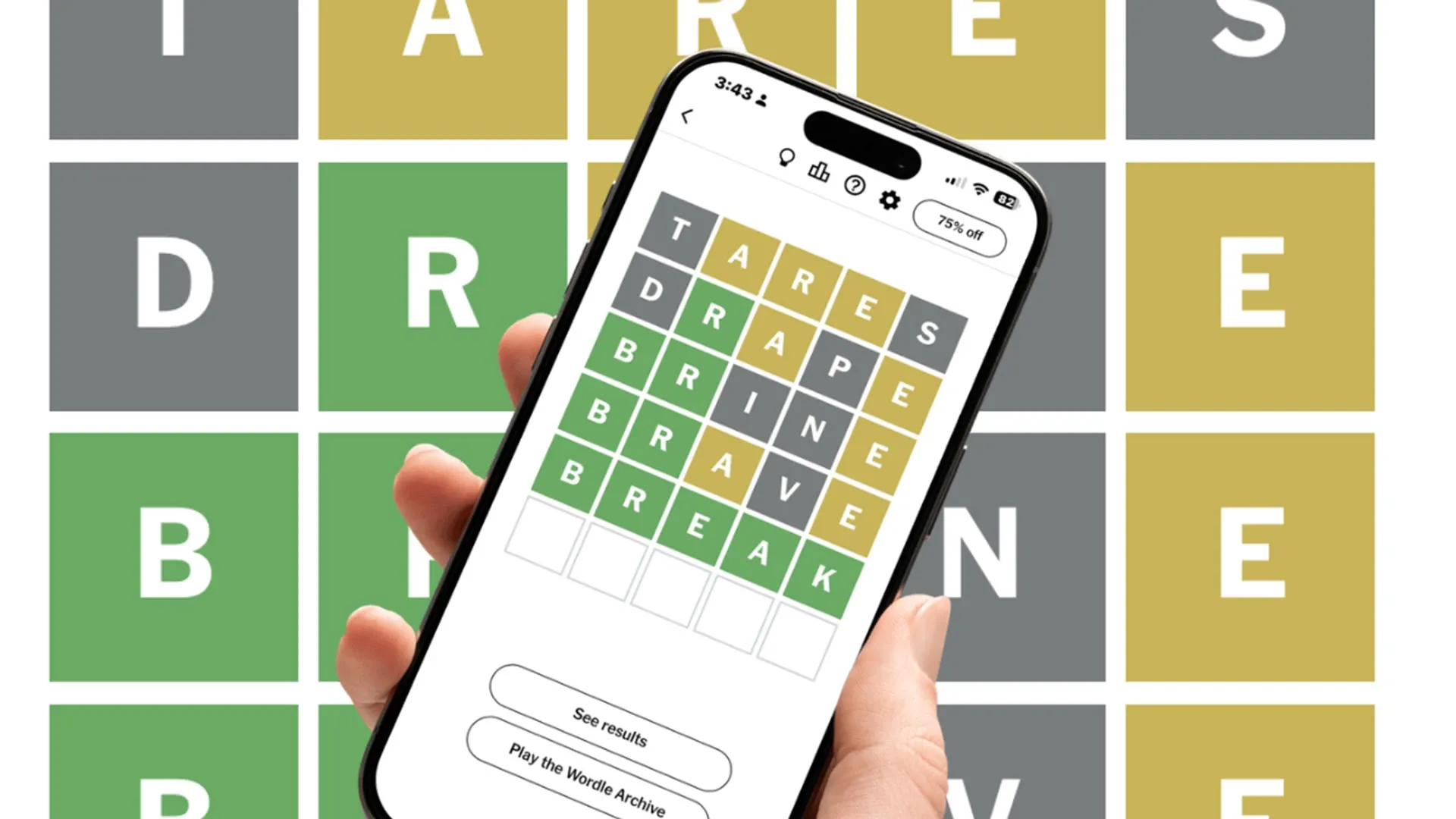
A correctly positioned letter is shown with one color, a letter that appears in the answer but is in the wrong position receives another color, and a letter that does not occur in the solution is marked differently. Players use these clues to make increasingly informed guesses.
The goal is to identify the hidden word within six guesses. There is no requirement to use a particular starting word, which means players can develop their own strategies. Some prefer words containing common vowels, while others choose words with frequently occurring consonants.
How Does Wordle Work?
The basic mechanics of Wordle are straightforward. A player enters a five-letter word and submits the guess. The game then evaluates each letter against the hidden answer and provides visual feedback.
A correctly placed letter indicates that the player has discovered both the letter and its position. A letter that exists in the answer but appears in another position provides useful information as well. Gray or inactive letters generally indicate that the letter is not needed for the solution, allowing the player to remove it from future guesses.
After receiving feedback, the player makes another guess. This process continues until the answer is discovered or all six attempts have been used. The limited number of attempts makes each guess important because players must balance finding new information with testing likely answers.
Understanding the Wordle Colors
The color clues are one of the most important parts of understanding what is the Wordle. They allow players to learn information without being shown the answer directly.
A green tile traditionally means the letter is correct and appears in the correct position. A yellow tile means the letter occurs in the answer but is positioned incorrectly. A gray tile means the letter does not occur in the answer, subject to the game’s handling of repeated letters.
For example, imagine that a player guesses a word containing the letter A and the tile turns yellow. This tells the player that A belongs somewhere in the hidden word but not in that particular position. If the tile turns green, A is correctly positioned.
Learning to interpret these clues accurately is essential for solving puzzles efficiently.
Why Is Wordle Limited to Six Guesses?
The six-guess limit gives Wordle its distinctive challenge. Without a limit, players could continue trying words until they eventually found the answer. Six attempts force players to make decisions based on the information already available.
Every guess should ideally provide useful information. A player might use an early guess to test several common vowels and consonants. Later guesses can become more focused as incorrect letters are eliminated and correct positions become clearer.
The limited attempts also make the game feel achievable without making it completely predictable. Even experienced players can encounter difficult words, unusual letter combinations, or situations where several possible answers fit the available clues.
Choosing a Good Starting Word
There is no single universally correct starting word. A useful opening guess often contains several common letters and vowels because it can reveal valuable information about the hidden answer.
Some players prefer words with multiple vowels, while others favor combinations of frequently occurring consonants. The best choice can also depend on personal playing style.
For beginners trying to understand what is the Wordle, experimenting with different opening words can be a useful learning exercise. Instead of focusing entirely on whether the first guess solves the puzzle, consider how much information the guess provides.
A strong opening word can help identify letters that belong to the answer and eliminate others, giving you a more manageable set of possibilities for subsequent attempts.
Using Letter Frequency
Letter frequency can be useful when solving Wordle. Some letters occur more frequently in English words than others. Common vowels such as A, E, I, O, and U can provide significant information when tested strategically.
Frequently used consonants can also help narrow possibilities. However, frequency should be treated as a general strategy rather than a guarantee. The daily answer can contain uncommon letters, unusual combinations, or words that do not follow the patterns a player expects.
As more information becomes available, confirmed letters and their positions should become more important than general frequency. The purpose of early guesses is often to gather information, while later guesses should focus on matching the known pattern.
Avoiding Repeated Letters Too Early
Repeated letters can make a Wordle puzzle more challenging. If a player guesses a word containing repeated letters, interpreting the resulting clues can sometimes require additional thought.
For example, if a letter appears twice in a guess but the answer contains it only once, the game may mark only one occurrence as present. Understanding how repeated letters are handled helps prevent incorrect conclusions.
For many players, avoiding unnecessary repeated letters in early guesses can help test more unique letters. Once the available clues suggest that the answer contains a repeated letter, however, testing that possibility becomes useful.
This is another reason why careful interpretation of every tile matters.
Using Elimination to Solve the Puzzle
Elimination is one of the most effective Wordle techniques. Once a letter is confirmed as absent, avoid using it in later guesses. Similarly, when a letter is confirmed in a particular position, keep that position fixed.
Suppose the pattern becomes S _ A _ E and several other letters have been eliminated. The number of possible answers becomes much smaller. Players can then think about words that match the pattern rather than considering every five-letter word.
This logical approach makes the game less dependent on luck. Vocabulary still matters, but each clue reduces the search space.
Wordle and Vocabulary Development
Wordle can be more than a casual game. Regular play exposes users to different English words and spelling patterns. Players may encounter words they have heard before but rarely use, as well as unfamiliar terms that encourage them to learn new definitions.
When a difficult answer appears, looking up its meaning afterward can turn the experience into a vocabulary exercise. Learning how the word is spelled and used in a sentence can make it easier to remember.
For students and language learners, this aspect can be particularly useful. The game encourages attention to letter patterns, spelling, word structure, and vocabulary while keeping the activity short and engaging.
Common Mistakes New Players Make
New players often make several predictable mistakes. One is using guesses that repeat too many previously eliminated letters. Such guesses provide little new information and can waste one of the six available attempts.
Another mistake is ignoring the position of yellow letters. A yellow letter is known to belong somewhere in the answer, so placing it in exactly the same position in the next guess usually does not provide useful progress.
Players can also become overly focused on one possible answer. If several words fit the clues, it may be better to consider all plausible options instead of assuming the first idea is correct.
Understanding what is the Wordle becomes easier when players treat every guess as an information-gathering opportunity.
What Makes Wordle So Popular?
Wordle’s popularity comes partly from its simplicity. Players do not need extensive instructions or complicated controls. A puzzle can usually be completed within a few minutes, making it convenient for a daily routine.
The shared daily format also creates a social element. People can compare how many attempts they needed without immediately revealing the solution. This allows friends, families, coworkers, and online communities to discuss their experiences while preserving the challenge for people who have not played yet.
The game also combines familiar vocabulary with logical problem-solving. Players who enjoy word games can appreciate the language element, while puzzle enthusiasts can focus on patterns and deduction.
Wordle Strategies for Beginners
Beginners can improve by focusing on information rather than simply trying to guess the answer immediately. Start with a word that tests several useful letters, then carefully record which letters are confirmed, misplaced, or eliminated.
After the first guess, use the feedback to construct a more targeted word. Avoid repeating letters that have already been ruled out. If a letter is confirmed in a particular position, preserve it while experimenting with the remaining spaces.
It can also help to mentally list possible words before submitting a guess. This reduces impulsive guesses and encourages logical reasoning.
Over time, players naturally become familiar with common five-letter patterns, which can make future puzzles easier.
What Is the Wordle Streak?
A Wordle streak generally refers to the number of consecutive daily puzzles a player has successfully completed. Maintaining a streak can add another motivational element to the game.
However, streaks are not the main purpose of Wordle. A player may lose a streak because of a difficult puzzle, a missed day, or another circumstance. The most important aspect is enjoying the puzzle rather than becoming overly concerned about maintaining a particular number.
For players who enjoy tracking their performance, statistics and streak information can provide an interesting way to observe progress over time.
Wordle as a Daily Mental Exercise
Wordle requires players to recall vocabulary, recognize patterns, compare possibilities, and make decisions with limited information. These activities make it an engaging form of short daily mental exercise.
The game is not intended to measure intelligence, and performance can vary depending on vocabulary, familiarity with particular words, and individual strategy. Someone who struggles with one puzzle may solve another very quickly.
The appeal comes from the combination of challenge and accessibility. Almost anyone familiar with basic English spelling can understand the rules and begin playing.
How to Improve Your Wordle Results
Improvement comes mainly from learning how to use information efficiently. Pay close attention to every colored tile and avoid wasting guesses. Think about which letters have already been eliminated and which positions have been confirmed.
Developing a consistent opening strategy can also help. However, do not become so attached to one starting word that you ignore the clues it produces.
Another useful habit is learning from difficult puzzles. After solving a challenging word, consider why it was difficult and which clues could have been used more effectively. Over time, these experiences build stronger pattern recognition and vocabulary awareness.
Conclusion
So, what is the Wordle? It is a daily five-letter word puzzle in which players have six attempts to identify a hidden answer. Each guess produces visual clues that indicate correct letters, misplaced letters, and letters that do not belong in the solution.
The game is simple to learn but can require careful reasoning, vocabulary knowledge, and strategic guessing. Players can improve by choosing informative opening words, understanding color clues, eliminating incorrect letters, recognizing patterns, and considering multiple possibilities.
Wordle’s daily format and shared puzzle have also helped make it a popular social word game. Whether you play casually or try to maintain a daily streak, the game provides a quick opportunity to challenge your vocabulary and problem-solving skills. Understanding the basic rules is the first step toward making each puzzle more enjoyable and approaching difficult answers with greater confidence.