


Introduction: Why Daily Word Puzzles Have Become a Global Habit
In today’s fast-paced digital world, people are constantly looking for small yet meaningful mental breaks. One of the most popular ways to engage the brain while relaxing is through short daily word challenges. These puzzles are simple in design but surprisingly deep in logic, making them addictive for millions across the globe.
A major reason behind this popularity is the shared experience. Every player around the world gets the same puzzle, which creates a sense of connection and friendly competition. Many people even begin their mornings by solving today’s wordle, treating it as a quick mental warm-up before starting their day.
The beauty of this puzzle lies in its balance. It does not require advanced vocabulary knowledge, yet it rewards strategic thinking, pattern recognition, and logical deduction. Some people solve it in two tries, while others take all six attempts, but everyone enjoys the process equally.
What makes it even more interesting is how it subtly trains your brain. Without realizing it, players improve their spelling, word recognition, and analytical thinking skills. Over time, this daily habit becomes more than just a game—it becomes a mental exercise routine.
Understanding the Core Structure of Word Puzzles

To truly improve your performance, it is important to understand how the puzzle works beneath its simple surface. Each round gives you six chances to guess a hidden five-letter word. After each guess, feedback is provided through color-coded clues.
This feedback system is what transforms guessing into reasoning:
- Green means the letter is correct and in the right place
- Yellow means the letter exists but is in the wrong position
- Gray means the letter is not in the word at all
This structure encourages players to think logically instead of randomly guessing. The more efficiently you interpret these signals, the faster you can reach the solution.
When people discuss today’s wordle, they are often referring not just to the puzzle itself, but to the entire experience of decoding it step by step. Each attempt becomes part of a larger reasoning process, almost like solving a mini mystery.
The simplicity of the format is what makes it powerful. There are no complicated rules, timers, or distractions—just pure word logic.
Smart Starting Approaches That Improve Accuracy
One of the most important decisions in the game happens before the second guess even begins. Your first word sets the foundation for everything that follows. A strong starting word can reveal multiple useful letters immediately, while a weak one may leave you with very little information.
The ideal starting word usually includes:
- Common vowels like A, E, and O
- Frequently used consonants like R, T, L, and N
- A balanced mix of sounds
- No repeated letters
For example, many experienced players use words like “CRANE,” “SLATE,” or “AUDIO” because they maximize early information.
When analyzing today’s wordle, skilled players often notice that success is less about luck and more about how effectively the first guess narrows down possibilities. A strong start often reduces the puzzle difficulty by half.
Highlighted Insight
A good opening guess is not about finding the answer immediately—it is about eliminating the largest number of wrong possibilities as quickly as possible.
Building a Logical Thinking Pattern During Gameplay
Once the first guess is complete, the real challenge begins. This is where structured thinking becomes more important than vocabulary knowledge.
Instead of guessing randomly, successful players follow a mental process:
- Identify confirmed letters first
- Track incorrect letters to avoid repetition
- Experiment with letter positions systematically
- Focus on common English word patterns
This approach transforms the game into a step-by-step deduction exercise.
Many players reviewing today’s wordle after solving it often realize that the solution was logically visible much earlier. The key difference lies in how information is processed after each attempt.
Developing this habit of structured thinking is what separates beginners from consistent solvers.
Common Mistakes That Reduce Winning Chances
Even experienced players fall into patterns that reduce their efficiency. Recognizing these mistakes can significantly improve performance over time.
One of the most frequent errors is reusing eliminated letters. Once a letter turns gray, it should be mentally locked out of future guesses.
Another common issue is ignoring vowel distribution. Many players focus heavily on consonants and forget that vowels often determine word structure.
Random guessing is another major setback. Without logic, each attempt becomes wasted potential information.
Players often reflect on today’s wordle and realize that their mistakes were not due to difficulty, but due to lack of structured thinking.
Avoiding these errors alone can improve solving speed dramatically.
Psychology Behind Daily Puzzle Engagement
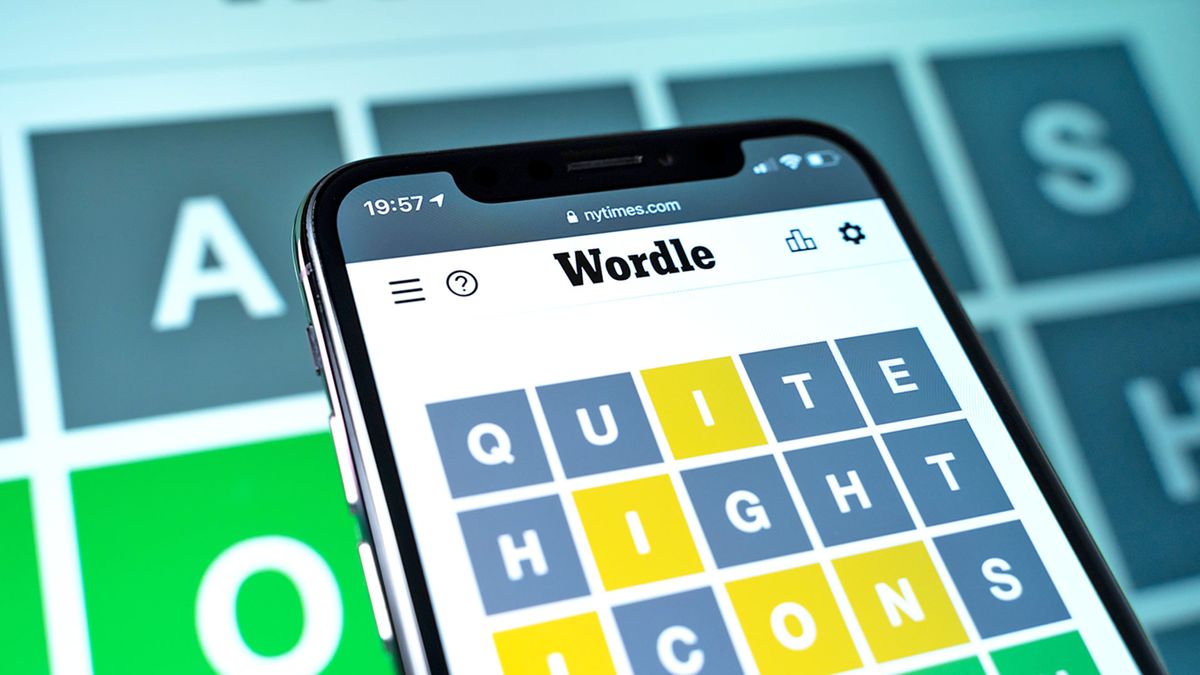
What makes this simple game so addictive is not just the challenge itself but the psychological reward system behind it. Each correct letter creates a small dopamine boost, encouraging continued play.
The limited number of attempts adds pressure, which makes success feel more rewarding. At the same time, the daily reset builds anticipation, turning the game into a routine habit.
People often check today’s wordle at the same time every day, creating a cycle of expectation and satisfaction.
This combination of simplicity, challenge, and reward is what makes the game psychologically engaging over long periods.
Comparison of Common Starting Strategies
To understand how different approaches perform, let’s compare popular starting strategies used by players.
| Strategy Type | Example Word | Strengths | Weaknesses | Effectiveness |
|---|---|---|---|---|
| Vowel-Heavy Start | AUDIO | Finds vowels quickly | Weak consonant coverage | Medium |
| Balanced Start | CRANE | Strong letter distribution | Slight vowel limitation | High |
| Consonant-Focused | TRAIN | Strong structure clues | Fewer vowel insights | Medium |
| Pattern-Based | SLATE | Common letter usage | May miss rare vowels | High |
This comparison shows that balanced strategies generally perform best because they provide the most useful early information.
Many experienced solvers analyzing today’s wordle results often switch between these strategies depending on difficulty patterns.
Advanced Techniques for Skilled Players
Once basic strategies become natural, players can move to advanced techniques that significantly improve consistency.
One powerful method is pattern recognition. English words often follow predictable structures, and identifying these can quickly reduce options.
Another technique is positional locking. Once a letter is confirmed in place, all future guesses should revolve around that fixed position.
Players also benefit from mental elimination mapping, where unused letters are tracked systematically.
These methods turn the game from guessing into structured problem-solving.
When applied consistently, especially in today’s wordle, they dramatically increase success rates.
Why Daily Practice Builds Long-Term Skill
Like any cognitive skill, improvement comes from repetition. The more frequently you engage with word puzzles, the faster your brain becomes at recognizing patterns.
Daily practice improves:
- Vocabulary recall speed
- Pattern recognition ability
- Logical deduction efficiency
- Decision-making under limited attempts
Over time, even difficult puzzles begin to feel easier because your brain adapts to the structure.
Each attempt at today’s wordle becomes a small training session for your brain, improving mental flexibility.
Useful Mental Shortcuts for Faster Solving
Experienced players often rely on mental shortcuts to reduce thinking time. These shortcuts include grouping words by structure, focusing on common endings, and quickly eliminating unlikely combinations.
For example, recognizing endings like “-IGHT,” “-OUND,” or “-ATER” can instantly narrow down possibilities.
Another shortcut is thinking in syllables rather than individual letters. This helps in identifying likely word structures faster.
These techniques are subtle but highly effective when applied consistently.
Frequently Asked Questions (FAQs)
What is the best way to start solving the puzzle?
Start with a balanced word containing common vowels and consonants to maximize early information.
Why do some people solve it faster than others?
Experience, pattern recognition, and logical thinking all contribute to faster solving speeds.
Is luck important in solving the puzzle?
Luck plays a minor role, but strategy and logic are far more important.
How can I improve my consistency?
Practice daily, avoid random guessing, and focus on elimination strategies.
Why do players share results daily?
It creates a sense of community and friendly competition among participants.
What is the most common mistake beginners make?
Reusing eliminated letters and ignoring vowel placement are the most common errors.
Does vocabulary size matter?
A larger vocabulary helps, but logical thinking is more important than knowing rare words.
How long does it take to get better?
Most players see noticeable improvement within a few weeks of consistent practice.
Conclusion: Turning a Simple Game Into a Skill-Building Habit
Daily word puzzles may appear simple, but they offer a powerful combination of logic, pattern recognition, and mental discipline. What starts as a casual activity often becomes a meaningful daily routine that sharpens the mind.
Improvement does not come from guessing more—it comes from thinking better. By applying structured strategies, avoiding common mistakes, and practicing consistently, anyone can become a more efficient solver.
Each round of the game is not just about finding the answer—it is about training your brain to think more clearly and logically. Over time, even challenging puzzles become manageable with the right approach.
Ultimately, success in word puzzles is less about luck and more about mindset. With patience and strategy, every player can transform their performance and enjoy the process even more.
Read More:-