


Introduction
Word puzzles have remained popular because they combine entertainment, vocabulary, logic, and problem-solving in a simple format. Among modern word games, Wordle became widely recognized for its straightforward rules and limited daily challenge. Instead of requiring players to spend a long time learning complicated instructions, the game presents a small word puzzle that can be understood within moments. Players attempt to identify a hidden five-letter word while receiving feedback after each guess.
The appeal of the game comes partly from its balance between simplicity and challenge. Players have only a limited number of attempts, so every guess becomes part of the solving process. Correct letters, misplaced letters, and incorrect letters provide clues that gradually narrow the possibilities. This creates a combination of deduction and vocabulary knowledge. Whether someone plays regularly or occasionally, the game can provide a short mental challenge while encouraging players to think carefully about spelling and word patterns.
What Is Wordle?
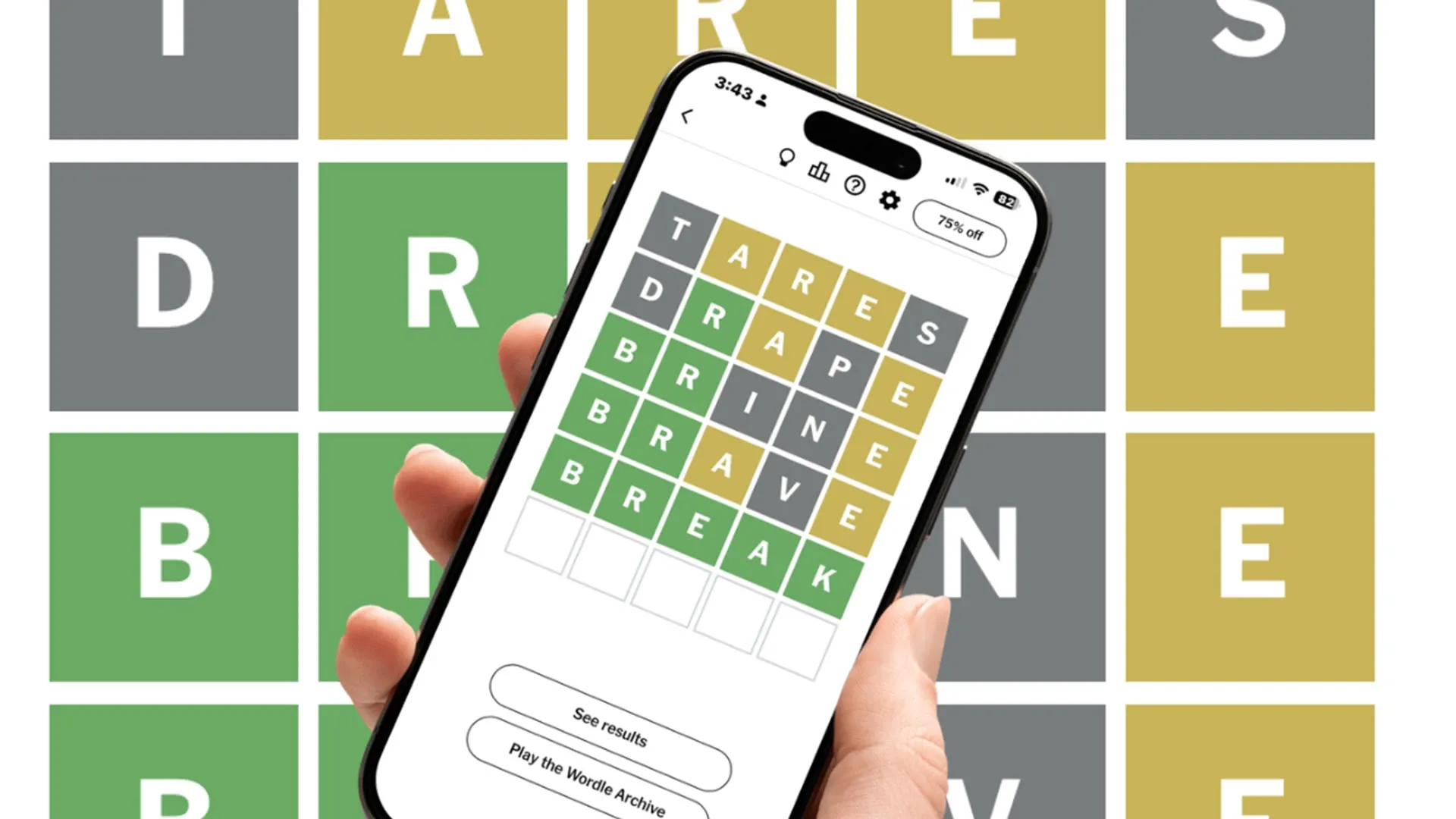
Wordle is a word puzzle in which players try to identify a hidden five-letter word within a limited number of guesses. Each attempt provides visual feedback about the letters entered. The feedback helps players determine which letters are correct, which are present but positioned incorrectly, and which are not part of the target word.
The basic concept is intentionally simple. Players do not need extensive instructions before starting, and the short format makes the puzzle accessible to a wide range of people. At the same time, finding the answer can require logical thinking because several possible words may fit the clues.
The daily nature of the original game also contributed to its distinctive appeal. Rather than offering an unlimited sequence of puzzles, the format encouraged players to return for a new challenge.
How Wordle Works
The game begins with a five-letter guess. After the guess is submitted, the letters receive different visual indications based on their relationship to the hidden answer. A correctly positioned letter is identified differently from a letter that exists in the answer but appears in the wrong position.
Letters that do not occur in the target word provide another useful clue. By combining all three types of information, players can eliminate incorrect possibilities and improve their next guess.
The challenge is not simply knowing many words. Players must also interpret the information provided after each attempt. A strong strategy therefore combines vocabulary with deduction, pattern recognition, and careful elimination.
Understanding the Feedback System
The feedback system is the central feature of the puzzle. A letter that appears in the correct position confirms both the letter and its location. A letter that belongs to the answer but appears in another position tells the player that the letter should be moved. A letter that is not part of the answer can generally be removed from consideration.
Repeated letters can make the feedback more complicated. A guess may contain the same letter more than once, while the answer may contain that letter only once. Players therefore need to interpret the feedback carefully rather than assuming that every repeated occurrence is valid.
Understanding these details becomes increasingly important when solving difficult puzzles.
Choosing a Good Starting Word
A starting word can influence the rest of the solving process. Many players prefer opening guesses that contain several frequently occurring vowels and consonants. The objective is not necessarily to guess the answer immediately but to gather useful information.
A starting word with diverse letters can reveal whether several common sounds or letter patterns appear in the hidden word. For example, testing multiple vowels early can help determine the general structure of the answer.
However, there is no single starting word that guarantees success. Different players may prefer different approaches depending on whether they prioritize vowel coverage, common consonants, or familiar word patterns.
Why Vowels Matter
Vowels can provide important clues because most English words contain one or more vowels. Testing common vowels early can help players determine which parts of the word structure are possible.
However, players should avoid assuming that every five-letter word contains several different vowels. Some words use only one vowel, and others may contain repeated vowels. The letter “Y” can also function differently depending on the word.
The goal is therefore to use vowel information as one part of the overall deduction process. Once one or more vowels have been identified, players can begin testing consonants and possible word structures.
Using Letter Patterns
After receiving feedback, players should focus on the pattern created by known letters. Suppose the game confirms that a particular letter belongs in the second position. The next guesses should preserve that information while testing other possibilities.
Pattern recognition becomes especially useful when several letters are already known. Instead of thinking about every word in the English language, players can mentally narrow the search to words that match the established structure.
This approach also helps prevent wasted guesses. Each attempt should ideally test a meaningful possibility rather than simply entering a random word.
Eliminating Incorrect Letters
One of the most powerful solving techniques is elimination. Letters that have been confirmed as absent can be removed from future guesses. This gradually reduces the number of possible answers.
Players can mentally maintain a list of excluded letters or use the information already displayed by the game. As more letters are eliminated, the remaining possibilities become easier to identify.
Effective elimination is particularly important when the answer contains uncommon combinations. Even when the correct word is not immediately obvious, knowing which letters cannot appear can significantly reduce the search space.
Dealing With Repeated Letters
Repeated letters can make a puzzle more difficult because players may incorrectly assume that a letter appearing in one position must also appear elsewhere. The game’s feedback system provides clues about letter frequency, but those clues need to be interpreted carefully.
For example, a guess may contain the same consonant twice while the answer contains it only once. The feedback can distinguish between valid and invalid occurrences based on the target word.
When a puzzle seems to have no obvious solution, repeated letters are worth considering. Words with double consonants or repeated vowels can sometimes explain why earlier guesses appeared confusing.
Common Mistakes Players Make
One common mistake is using guesses that provide very little new information. If a player already knows that several letters are absent, repeating those letters unnecessarily wastes an opportunity to test new possibilities.
Another mistake is changing a confirmed letter position without a reason. Once the game has established that a letter is correctly placed, future guesses should normally preserve that information.
Players can also become overly focused on obscure vocabulary. While unusual words occasionally appear in word puzzles, the most useful strategy is generally to consider familiar possibilities first and use the available clues systematically.
Wordle and Vocabulary Development
Wordle can encourage players to think about spelling and vocabulary in an active way. Instead of simply reading words, players must recall them and determine whether they fit a particular pattern.
Repeated gameplay may introduce players to words they do not commonly use. When an unfamiliar answer appears, looking up its meaning afterward can turn a game experience into a learning opportunity.
The game can therefore be useful for language learners and students, provided that it is treated as a supplement to broader vocabulary practice rather than a replacement for reading and writing.
Wordle for Different Age Groups
The simple rules make the game accessible to many age groups. Younger players can practice spelling and letter recognition, while older players can use the puzzle as a short mental exercise.
For students, the game can encourage attention to word structure and pronunciation. Adults may enjoy it as a relaxing break or a daily cognitive challenge.
Parents and teachers can also adapt the general concept into classroom activities. Creating custom five-letter puzzles can encourage students to practice vocabulary while discussing spelling patterns and word meanings.
The Social Side of Wordle
One interesting aspect of the game is its social nature. Players can discuss their results with friends, family members, or online communities without necessarily revealing the answer itself. This creates a shared experience around the same daily challenge.
The limited number of attempts also makes results relatively easy to compare. Players can discuss how quickly they solved a puzzle or which clues helped them without turning the game into a long competition.
This social element helped transform a simple vocabulary game into a broader daily routine for many players.
How to Improve Your Solving Skills
Improving at Wordle does not necessarily require memorizing thousands of words. A more useful approach is to become better at interpreting information.
Players can practice identifying common letter combinations, recognizing repeated-letter possibilities, and eliminating incorrect choices. Reading regularly can also expand vocabulary and make unfamiliar word patterns easier to recognize.
Another useful habit is to think before submitting each guess. Rather than immediately entering the first possible word that comes to mind, consider what information the guess will provide. A thoughtful guess can reveal several useful letters at once.
What Makes Wordle Challenging?
The game’s difficulty comes from the combination of a small word length and a limited number of attempts. A five-letter word may seem short, but the number of possible combinations is large. Players must therefore make decisions with incomplete information.
Some puzzles are difficult because the answer contains repeated letters, uncommon combinations, or several words that look very similar. Other puzzles are challenging because the clues do not immediately suggest a familiar word.
The limited attempt structure adds pressure. A player may know several letters but still need to choose between multiple possibilities.
Using Logic Instead of Guesswork
Successful solving is often based on logical deduction rather than pure luck. Each guess should ideally answer a question. Does a certain vowel appear? Is a particular consonant present? Could the word contain a repeated letter?
Thinking this way transforms the puzzle into a structured problem-solving exercise. Even an incorrect guess can be useful if it eliminates several possibilities.
Players can also learn from unsuccessful games. Reviewing which clues were misunderstood can help improve future solving decisions.
Why Wordle Remains Popular
The continuing appeal of Wordle comes from its simplicity. Players can understand the basic concept quickly, complete a puzzle in a relatively short period, and return later for another challenge.
The game does not require complicated controls, extensive preparation, or long sessions. Its focus on language makes it different from many other forms of digital entertainment.
The combination of accessibility, challenge, routine, and social discussion has helped make the five-letter word format recognizable to a broad audience.
Conclusion
Wordle is a simple but engaging word puzzle that combines vocabulary, logic, spelling, and deduction. Players attempt to identify a hidden five-letter word within a limited number of guesses, using feedback from each attempt to narrow down the possibilities.
Developing better solving skills involves more than memorizing words. Players can improve by choosing informative starting guesses, understanding vowels and consonants, recognizing patterns, eliminating incorrect letters, considering repeated letters, and avoiding unnecessary guesses. Reading and vocabulary practice can also strengthen the skills needed for challenging puzzles.
Ultimately, the appeal of the game comes from turning a small number of letters into a meaningful daily challenge. Whether played for entertainment, vocabulary practice, or a short mental exercise, Wordle demonstrates how a simple word-based concept can create an engaging and repeatable experience.