


Introduction
The wordle game has become a popular way for people to enjoy a short but challenging word puzzle. Its simple format makes it easy for beginners to understand, while the limited number of guesses creates enough pressure to keep experienced players interested. Instead of requiring a long gaming session, the puzzle encourages players to think carefully about letters, spelling patterns, and possible words. Each attempt provides information that can help narrow down the answer. This combination of vocabulary, logic, and deduction makes the game appealing to a wide range of players. It can also become a useful mental exercise because solving the puzzle requires players to remember previous guesses and evaluate which letters are most likely to appear in the hidden word. With a thoughtful approach, players can gradually develop better strategies and improve their results.
What Is the Wordle Game?
The wordle game is a word-guessing puzzle built around discovering a hidden five-letter word. Players typically have a limited number of attempts to identify the correct answer. After each guess, the puzzle provides visual feedback about the letters entered. A correctly positioned letter is distinguished from a letter that belongs in the answer but appears in another position, while letters that are not part of the solution are identified separately. This feedback system turns every guess into a clue. Players must use those clues to make increasingly informed decisions. The simplicity of the rules is one reason the game is easy to pick up. At the same time, finding the answer efficiently requires logical thinking, vocabulary knowledge, and an understanding of common letter patterns.
How the Game Works
The basic objective is straightforward: identify the hidden word using the available guesses. A player starts by entering a valid five-letter word. The resulting feedback reveals information about the letters and their positions. Players then use this information to select another word that tests useful possibilities. The process continues until the hidden word is found or the available attempts are exhausted. What makes the wordle game interesting is that every guess has strategic value. A player should not simply enter random words after receiving feedback. Instead, each subsequent attempt should be designed to eliminate unlikely possibilities or confirm the position of important letters. This transforms a simple vocabulary challenge into a logical deduction exercise. Over time, players often develop personal methods for choosing opening words and interpreting feedback.
Choosing a Strong Opening Word
The first guess can influence the rest of a puzzle because it determines how much useful information becomes available. A strong opening word usually contains several different letters and may include frequently occurring vowels and consonants. Avoiding repeated letters during the first attempt can sometimes reveal more information because each position tests a different character. However, there is no single opening word that guarantees success. Different strategies can work depending on a player’s vocabulary and preferred approach. Some players prioritize common vowels, while others prefer frequently used consonants. The best starting word is one that provides enough information to guide the next attempt. As players gain experience with the wordle game, they may experiment with different opening strategies and discover which approach fits their solving style.
Understanding Letter Feedback
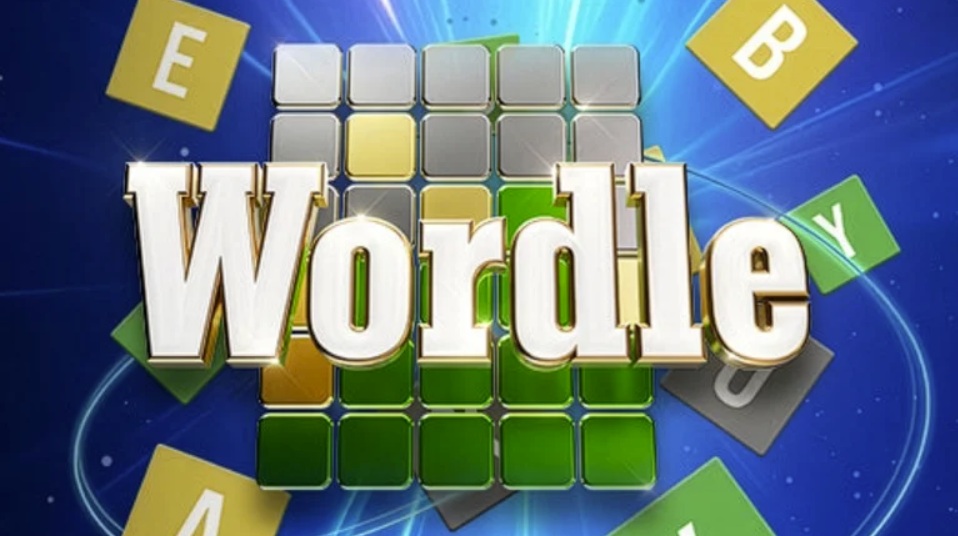
Learning to interpret the game’s feedback correctly is one of the most important parts of becoming a better player. When a letter is confirmed in the correct position, that information should become an important part of the next guess. A letter that exists in the answer but appears in the wrong position should be moved and tested elsewhere. Letters that are confirmed as absent can usually be removed from consideration. This process gradually reduces the number of possible solutions. Players should also pay attention to repeated letters because their presence can create additional complexity. A letter may appear more than once, and an earlier guess may not always reveal that immediately. Careful interpretation prevents players from wasting guesses on words that contradict information already discovered.
Using Vowels Wisely
Vowels are particularly useful when solving five-letter word puzzles because they can reveal the basic structure of a word. Common vowels such as A, E, I, O, and U appear in many English words, although not every answer contains several vowels. An opening guess that tests multiple vowels can quickly indicate which vowel sounds or patterns might be relevant. Once one or more vowels are identified, players can concentrate on consonants and possible word structures. However, using too many guesses simply to test vowels can also waste valuable opportunities. Good strategy involves balancing vowel discovery with consonant testing. In the wordle game, every guess should ideally provide useful information. Thinking about common combinations such as vowel-consonant patterns can make it easier to narrow down possible answers without relying entirely on trial and error.
Common Letter Patterns
English contains many recurring spelling patterns that can help players make educated guesses. Combinations such as common consonant pairs, endings, and beginnings frequently appear in five-letter words. Recognizing these patterns can make a difficult puzzle easier because players can reduce the number of possibilities. For example, once several letters are known, thinking about familiar word endings can reveal likely candidates. Players should still be careful because similar patterns can occur in many different words. The goal is to use patterns as evidence rather than assuming that one possibility must be correct. With regular practice, players naturally become more familiar with common word structures. This experience can make the wordle game feel less like guessing and more like solving a logical pattern.
Managing Your Guesses
Having a limited number of attempts means that guess management matters. A common mistake is repeatedly guessing words that provide little new information. Once several letters have been ruled out, there is little value in using another guess containing the same excluded letters. Instead, players should use new guesses to test uncertain positions or introduce useful letters. Sometimes a word may be used primarily to gather information rather than to solve the puzzle immediately. This can be a smart strategy when several possible answers remain. The decision depends on how many guesses are available and how much uncertainty remains. Successful players learn to balance exploration with solution attempts. Every guess should have a clear purpose, whether that purpose is confirming a letter, testing a position, or identifying the final answer.
Avoiding Random Guessing
Random guessing can occasionally produce the correct answer, but it is not a reliable strategy. When players enter words without considering the feedback from previous attempts, they lose much of the puzzle’s logical advantage. A better approach is to treat every result as evidence. If a letter is confirmed to be absent, future guesses should normally avoid it. If a letter is present but misplaced, its possible positions should be reconsidered. This approach makes each attempt more meaningful. Players who initially struggle with the wordle game can improve simply by slowing down and analyzing the available information before submitting their next guess. The puzzle does not necessarily reward speed; careful deduction is often more valuable than quickly entering another word.
Building Vocabulary Through Play
One interesting benefit of word puzzles is that they can encourage vocabulary development. Players may encounter words they recognize only vaguely or discover unfamiliar terms while exploring possible answers. Looking at word structures and thinking about synonyms can also strengthen language awareness. Although the primary purpose of a puzzle is entertainment, regular play can encourage people to pay more attention to spelling and word construction. Players can improve further by recording unfamiliar words and learning their meanings after completing a puzzle. This turns casual gameplay into a small vocabulary-building exercise. The wordle game can therefore be useful for people who enjoy language challenges and want to become more comfortable with English words without following a formal study routine.
Strategies for Beginners
Beginners should focus on understanding the feedback system before worrying about advanced strategies. Starting with a word containing several different common letters can provide useful information. After the first attempt, players should carefully identify which letters are confirmed, misplaced, or excluded. The next guess should then reflect those discoveries. Beginners should also avoid becoming frustrated when a puzzle seems difficult. Some solutions naturally contain uncommon letter combinations, making them harder to identify. Practicing consistently helps players recognize patterns more quickly. Another useful habit is to consider several possible answers instead of becoming attached to the first word that seems suitable. Flexibility is important because the available clues may support multiple possibilities. With practice, beginners can gradually develop the same analytical habits that experienced players use.
Advanced Solving Techniques
More experienced players can improve by thinking several steps ahead. Rather than focusing only on finding the answer immediately, they can consider which guess would eliminate the greatest number of possibilities. This information-focused approach is especially useful when several candidate words remain. Players can also pay closer attention to letter frequency, repeated letters, and unusual word structures. Another technique is to avoid using a confirmed word pattern too early if an exploratory guess could reveal several unknown letters. However, advanced strategies should remain flexible. No single technique works perfectly for every puzzle. The strongest approach combines vocabulary knowledge with logical deduction. As players become more familiar with the wordle game, they can experiment with different techniques and determine which methods consistently produce better results.
Why the Game Remains Popular
The continuing appeal of word puzzles comes from their balance of simplicity and challenge. A player can understand the basic rules almost immediately, yet solving a difficult puzzle may require considerable thought. The short format also makes the game convenient for people who have only a few minutes available. Unlike games that require lengthy sessions, a daily word puzzle can become a small part of a morning or evening routine. The satisfaction of solving a challenging word provides another reason for its popularity. Players may also enjoy comparing their results with friends or simply trying to improve their own solving record. This combination of accessibility, competition, vocabulary, and deduction gives the wordle game lasting appeal among casual puzzle fans.
Tips for Improving Your Results
Improvement usually comes from reviewing mistakes rather than simply playing more quickly. After completing a puzzle, think about which clues were overlooked and whether an earlier guess could have provided more information. Try different opening words occasionally and observe how they affect the solving process. Expanding vocabulary through reading can also make unfamiliar solutions easier to recognize. Players should pay attention to common prefixes, suffixes, vowel combinations, and consonant patterns. Most importantly, avoid rushing. Taking a moment to evaluate the available letters can prevent unnecessary guesses. Over time, these habits can improve both accuracy and confidence. The goal is not necessarily to solve every puzzle perfectly but to develop a repeatable strategy that makes difficult puzzles more manageable.
Conclusion
The wordle game offers a simple yet engaging way to combine vocabulary, spelling, logic, and deduction. Its limited attempts encourage players to think carefully about every guess and use feedback effectively. Beginners can start with diverse opening words, learn how letter feedback works, and gradually recognize common spelling patterns. More experienced players can focus on information-rich guesses, repeated letters, and narrowing possible solutions efficiently. Beyond entertainment, regular word puzzles can encourage vocabulary growth and greater awareness of language. The most effective strategy is not based on random guessing but on thoughtful analysis and flexible decision-making. Whether played casually or approached as a daily mental challenge, the game provides a compact and rewarding way to exercise language and problem-solving skills.