


Introduction
Wordle has become a popular word puzzle for people who enjoy short, challenging games that test vocabulary, spelling, and logical thinking. The basic concept is easy to understand: players attempt to discover a hidden five-letter word within a limited number of guesses. After every attempt, the game provides clues that show which letters are correct, which letters appear in the answer but are placed incorrectly, and which letters do not belong in the solution. This simple feedback system makes each round feel like a small reasoning challenge. Unlike many games that require long sessions, Wordle can usually be completed within a few minutes, making it suitable for a quick break during the day.
What Is Wordle?
Wordle is a daily word puzzle based on guessing a hidden five-letter word. Players normally have six attempts to identify the correct answer. Each guess produces visual clues that help narrow down the possibilities. A correctly positioned letter is marked differently from a letter that appears in the answer but occupies the wrong position. Letters that are not part of the solution are also identified.
The appeal of Wordle comes from its combination of simplicity and strategy. Players do not need specialist gaming knowledge, complicated controls, or lengthy instructions. Instead, success depends on recognizing patterns, remembering previous guesses, understanding common English words, and choosing useful letters. Every attempt can provide information, so even an incorrect guess may help reveal the structure of the hidden word.
How Wordle Works
The rules are straightforward. A player begins by entering a five-letter word. The game then evaluates each letter and provides clues. When a letter is in the correct position, the player knows that position has been confirmed. If a letter is included in the answer but appears in another position, it needs to be moved. Letters that are absent from the solution can generally be eliminated from future guesses.
The six-guess limit adds an important strategic element. Players cannot simply enter random words until they discover the answer. Instead, each guess should ideally provide useful information. A good early word can test several common letters, while later guesses can focus on the specific pattern revealed by the clues. This gradual process transforms a simple vocabulary game into a logical deduction exercise.
Choosing a Strong Opening Word
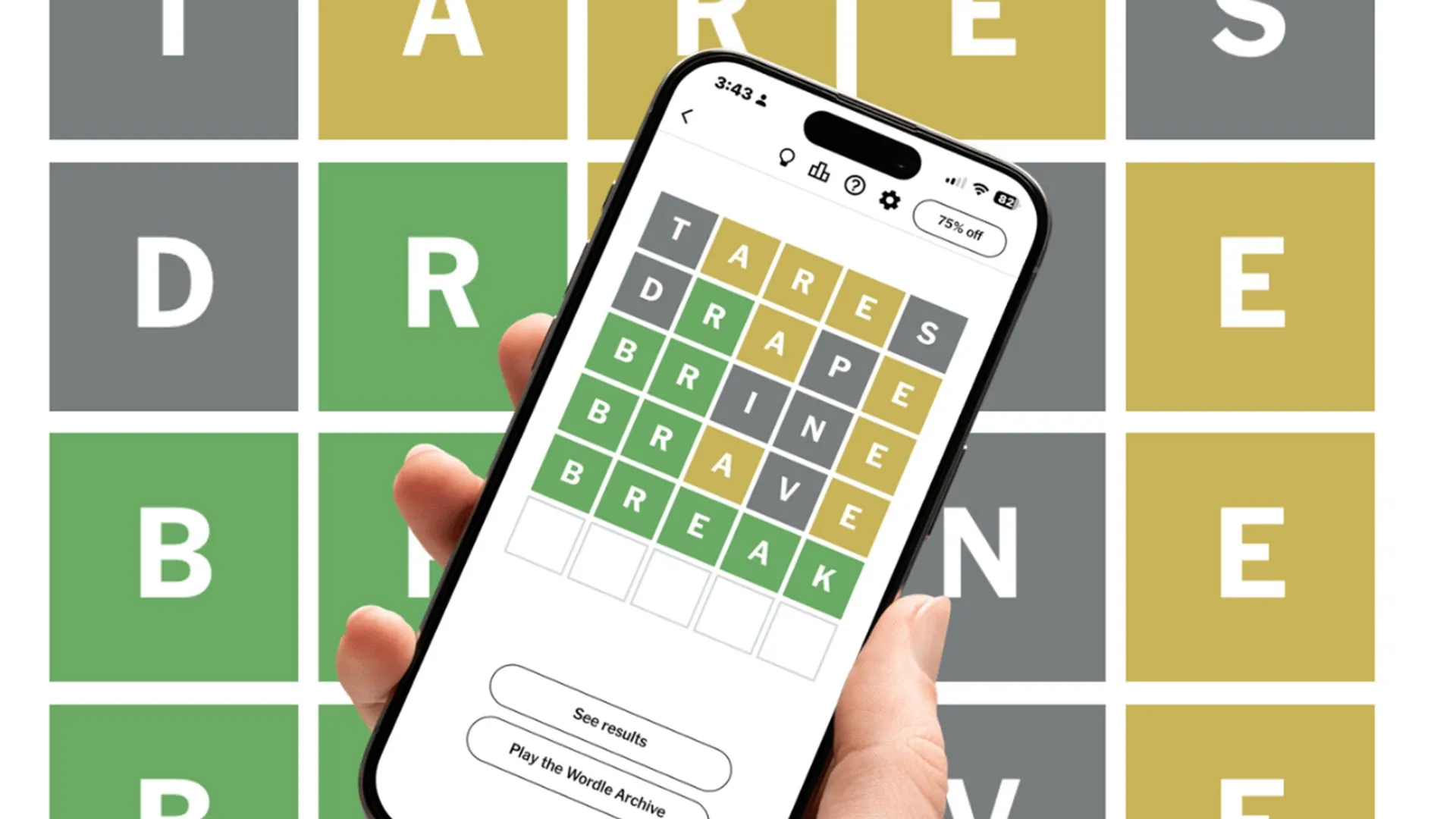
One of the most important decisions in Wordle is selecting the first guess. There is no single opening word that guarantees success because the hidden answer changes. However, players can choose words containing several frequently used letters. Testing different vowels and common consonants early can provide valuable information.
A strong opening guess should ideally avoid unnecessarily repeating the same letter unless there is a specific reason to do so. For example, a word containing several different vowels can help determine which vowel sounds or combinations might appear in the answer. Similarly, common consonants can reveal useful patterns. The purpose of the first guess is not necessarily to solve the puzzle immediately but to maximize the amount of information gained.
Understanding the Color Clues
The clue system is the central part of Wordle. Once players understand what each indication means, solving the puzzle becomes much easier. A correctly positioned letter confirms both the letter and its location. A letter that exists in the answer but appears in the wrong location provides information about the letter while indicating that its current position should be changed. A letter that does not occur in the answer can normally be removed from consideration.
Players should pay attention to these clues collectively rather than treating each guess independently. For example, if several attempts establish that a particular letter belongs in the word but cannot occupy certain positions, the remaining possibilities become much narrower. This process of elimination is one of the most useful skills for improving performance.
Why Vocabulary Matters
Vocabulary naturally plays an important role in Wordle. Knowing a larger collection of five-letter words gives players more possibilities when they encounter unusual letter combinations. However, vocabulary alone does not determine success. Logical reasoning can compensate when the exact word is not immediately familiar.
Players can also improve their vocabulary by noticing unfamiliar answers and remembering their spelling. Over time, repeated exposure to unusual words can make future puzzles easier. The game therefore works as both entertainment and a light mental exercise. It encourages players to think about word structures, letter combinations, prefixes, suffixes, and common spelling patterns.
Using Letter Frequency to Your Advantage
Some letters appear much more frequently in English words than others. Understanding this can help players make more informative guesses. Common vowels and consonants are particularly useful during the early stages because they can quickly eliminate large numbers of potential answers.
However, letter frequency should not become an absolute rule. A less common letter can still be the key to solving a puzzle. If the clues suggest that an unusual letter is present, players should follow the evidence rather than continuing to rely on general frequency patterns. Good Wordle strategy combines general language knowledge with the specific information revealed by the current puzzle.
The Importance of Letter Position
Knowing which letters appear in a word is only part of solving Wordle. Their positions are equally important. A word may contain several confirmed letters but still have multiple possible arrangements. Players should therefore experiment mentally with different placements before using another guess.
For example, if three letters have been confirmed but each has appeared in an incorrect position, the next guess can rearrange them while introducing another untested letter. This approach can reveal additional information without wasting an attempt. Paying attention to position is especially important during the final few guesses.
Avoiding Common Wordle Mistakes
One common mistake is repeatedly using letters that have already been eliminated. Once the clues show that a letter cannot be part of the answer, there is usually little benefit in including it again. Another mistake is focusing too heavily on one possible word before enough evidence has been collected.
Players can also lose opportunities by making guesses that provide very little new information. When several possibilities remain, an exploratory guess may sometimes be more useful than immediately choosing one suspected answer. The goal is to use every attempt intelligently and make each guess contribute something to the solving process.
Managing Duplicate Letters
Duplicate letters can make Wordle puzzles considerably more challenging. A player may discover that a letter appears in the answer but initially assume it occurs only once. Later clues may reveal that the same letter is used twice.
When a puzzle seems to have no obvious solution, players should consider whether a confirmed letter might appear more than once. This is particularly useful when common patterns have already been tested. Thinking about duplicate letters prevents players from eliminating valid possibilities simply because they initially expected every letter to be different.
Developing a Better Solving Strategy
Improving at Wordle is mainly about developing a consistent process. Start with a word that tests useful letters, carefully record the clues, eliminate impossible letters, and then focus on possible arrangements. Instead of guessing based purely on instinct, use the available information to reduce the number of possibilities.
As the puzzle progresses, guesses should become increasingly targeted. Early attempts can be exploratory, while later guesses should use the established pattern. This approach makes the game more systematic and can help players avoid using their final attempts on words that were never strongly supported by the clues.
Why Wordle Remains Popular
The popularity of Wordle comes partly from its accessibility. A player can understand the basic rules almost immediately, yet improving at the game requires practice. The daily format also gives the puzzle a sense of routine. Because players typically encounter a new challenge rather than an endless collection of puzzles at once, the game does not require a large time commitment.
Another factor is the satisfaction of solving a difficult word through deduction. Even when players do not know the answer at first, each clue gradually reveals more information. The final correct guess can therefore feel rewarding because it represents a combination of vocabulary, observation, and logical reasoning.
Wordle as a Mental Exercise
Wordle can encourage several useful cognitive habits. Players have to remember previous clues, compare possible words, recognize patterns, and make decisions with incomplete information. The game also encourages attention to spelling and letter placement.
It should not be viewed as a substitute for formal learning, but it can provide a convenient way to engage with language. Players who regularly encounter unfamiliar words may naturally become more comfortable with different spelling patterns. The short format makes it easy to incorporate into a daily routine without requiring a long gaming session.
Tips for Improving Your Results
Players who want to become more consistent can follow a few practical principles. Begin with a varied word that tests several useful letters. Keep track of confirmed and eliminated letters throughout the puzzle. Pay attention to position rather than focusing only on whether a letter exists. Consider duplicate letters when the available evidence suggests them.
Another useful habit is to slow down during the final guesses. When only a few possibilities remain, rushing can lead to an avoidable mistake. Compare each candidate carefully against every clue already received. The best solution is the one that satisfies all the information, not simply the word that looks familiar at first glance.
The Social Side of Wordle
Although Wordle is fundamentally an individual puzzle, it has developed a strong social element. Players often discuss their results with friends, family, and online communities. Sharing the number of attempts without revealing the answer allows people to compare experiences while preserving the challenge for others.
This social format has helped make the game part of many people’s daily routines. A short puzzle can become a conversation starter, especially when one person finds the solution quickly while another struggles with the same combination of letters. The shared experience adds another layer to an otherwise simple word game.
Conclusion
Wordle demonstrates how a straightforward idea can create a surprisingly engaging puzzle experience. Its combination of a limited number of guesses, useful letter clues, vocabulary, and logical deduction gives every daily challenge a distinct character. Players can improve by choosing informative opening words, studying the clues carefully, eliminating impossible options, considering letter positions, and remembering that duplicate letters may occur.
Ultimately, the enjoyment of Wordle comes from the process of solving rather than simply reaching the answer. Each guess provides another piece of information, and careful players can turn those clues into a clear path toward the hidden word. With regular practice and a thoughtful strategy, Wordle can become an enjoyable daily exercise for anyone who likes language and problem-solving.