


Introduction
Wordle has become one of the most recognizable daily word puzzles for people who enjoy short, engaging, and challenging games. Its simple format makes it easy for beginners to understand, while the limited number of attempts gives experienced players a reason to think carefully about every guess. Unlike many games that require long sessions, Wordle can usually be completed within a few minutes, making it suitable for a quick mental break during the day. The basic objective is straightforward: players must identify a hidden five-letter word within six attempts. After each guess, the game provides clues through colored tiles that indicate whether letters are correct, misplaced, or absent. This combination of simplicity, vocabulary, deduction, and limited attempts has helped Wordle become a favorite daily activity for word-game enthusiasts.
What Is Wordle?
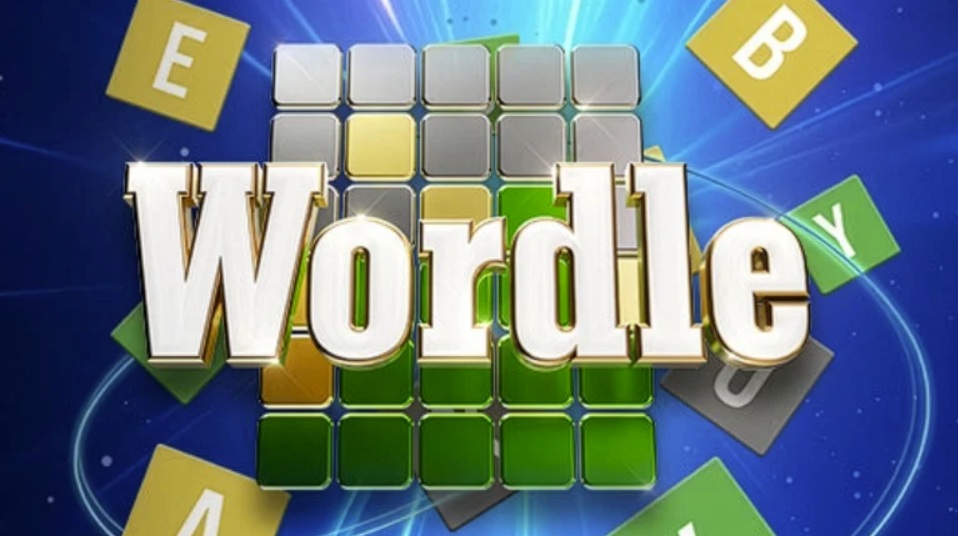
Wordle is a word-guessing puzzle centered on identifying a hidden five-letter word. Players receive six opportunities to discover the correct answer, with each attempt producing visual clues. A correctly positioned letter is shown in green, while a letter that appears in the answer but occupies the wrong position is marked yellow. A letter that does not belong to the hidden word is generally displayed in gray. These clues allow players to gradually narrow down the possible answers.
The appeal of Wordle comes from its balance between accessibility and difficulty. There are no complicated controls, lengthy instructions, or advanced gaming skills required. Instead, success depends on vocabulary knowledge, logical thinking, and the ability to interpret information efficiently. Every guess can provide useful evidence, so even an incorrect attempt can move a player closer to the solution.
How Wordle Works
The rules of Wordle are remarkably easy to learn. At the beginning of a puzzle, the player sees a row of empty spaces representing the five letters of the mystery word. The player enters a five-letter word and submits the guess. The game then evaluates each letter and provides clues using its familiar color system.
Green indicates that a letter is correct and is already in the correct position. Yellow means the letter belongs to the answer but needs to be placed somewhere else. Gray indicates that the letter does not appear in the answer, although repeated-letter situations can sometimes require additional interpretation. Players use these clues to make increasingly informed guesses.
The six-attempt limit is an important part of the experience. Because there is a fixed number of opportunities, random guessing is usually less effective than strategic deduction. Players must consider which letters have already been eliminated and which positions remain uncertain. This creates a small but satisfying reasoning challenge that can be completed in a short period.
Why Wordle Became So Popular
The popularity of Wordle can be attributed to several factors working together. First, the game is extremely easy to understand. A player does not need to learn complicated mechanics before starting. Second, each puzzle provides a fresh challenge, encouraging people to return regularly. The daily format creates a sense of routine without requiring a significant time commitment.
Another important factor is the social nature of the experience. Players often discuss their results with friends, family members, and online communities. Sharing a result without revealing the answer can turn an individual puzzle into a friendly competition. The recognizable grid of colored squares became closely associated with the game and allowed people to communicate their performance without immediately spoiling the solution.
Wordle also appeals to a broad age range because it combines entertainment with language skills. People can play casually, while vocabulary enthusiasts may approach each puzzle as a test of reasoning and word knowledge.
Choosing a Strong Starting Word
One of the most useful Wordle strategies is choosing an effective opening guess. A good starting word should contain several common letters and ideally include multiple vowels. The purpose of the first guess is not necessarily to solve the puzzle immediately. Instead, it should provide as much useful information as possible.
For example, a starting word containing frequently used letters can help identify which characters are present in the mystery word. Including different vowels can also reveal important information about the word’s structure. Players may prefer different opening words based on their personal vocabulary and strategy.
It is generally helpful to avoid using unusual letters too early unless there is a reason to suspect them. Once the first set of clues appears, the next guess can be adjusted accordingly. Over time, players often develop favorite starting words that match their preferred solving style.
Understanding the Color Clues
The colored clues are the foundation of Wordle’s deduction system. Understanding them correctly can make a significant difference in solving efficiency. A green tile provides the strongest information because it confirms both the letter and its position. Once a letter becomes green, players should generally preserve that position in later guesses.
Yellow clues are also valuable because they confirm that a letter belongs somewhere in the answer. However, the player must determine where that letter fits. Moving a yellow letter to a different position can help reveal the word’s structure.
Gray clues are useful because they eliminate possibilities. If several letters have already been ruled out, players can focus on combinations that use the remaining alphabet. This process gradually reduces uncertainty. Rather than viewing incorrect letters as wasted guesses, experienced players treat them as information that helps define the solution.
Building a Better Solving Strategy
A successful Wordle approach usually combines vocabulary knowledge with systematic elimination. After every guess, players should review all available information before entering another word. It can be tempting to immediately type the first word that comes to mind, but taking a few seconds to analyze the clues can prevent unnecessary mistakes.
Players should consider the known letter positions, confirmed letters that need repositioning, and letters that have already been eliminated. They can then mentally generate possible words that satisfy all those conditions. When several possibilities remain, the next guess can be selected to distinguish between them.
Another useful technique is avoiding unnecessary repetition. If a letter has already been confirmed but its position is unknown, moving it to another location can be more productive than repeatedly testing the same arrangement. Strategic guessing becomes particularly important during the final attempts.
The Importance of Vocabulary
Vocabulary plays a major role in Wordle, but players do not necessarily need an enormous dictionary to enjoy the game. Familiarity with common five-letter words provides a strong foundation. As people encounter less common words through puzzles, their vocabulary may gradually expand.
Reading books, articles, magazines, and other forms of writing can naturally introduce players to new words. Word games can also help reinforce spelling patterns and letter combinations. Over time, players may become better at recognizing common word structures, prefixes, suffixes, and vowel arrangements.
However, vocabulary alone does not guarantee success. A player may know the correct word but fail to identify it because the available clues were not interpreted correctly. The best results generally come from combining word knowledge with logical deduction.
Common Mistakes Players Make
One frequent mistake in Wordle is making guesses without considering previous clues. Every attempt should ideally contribute new information. Reusing eliminated letters or ignoring confirmed positions can reduce the number of useful opportunities available.
Another mistake is becoming too focused on a single possible answer. Sometimes a player identifies a word that appears to fit several clues and then tries to force the remaining clues to match it. This can lead to unnecessary frustration. Keeping several possibilities in mind is often more effective.
Players may also overlook repeated letters. A mystery word can contain the same letter more than once, and understanding how the clues behave around duplicate letters can be important. When the puzzle seems to have no obvious solution, considering repeated characters may open new possibilities.
Wordle as a Daily Mental Exercise
Wordle offers a compact form of mental exercise because it requires players to remember information, recognize patterns, compare possibilities, and make decisions under a limited number of attempts. The activity is short enough to fit into a morning routine, lunch break, or evening relaxation period.
The puzzle can also encourage deliberate thinking. Instead of simply selecting random words, players are rewarded for paying attention to the results of each attempt. This makes the experience feel more like a small logic problem than a conventional guessing game.
For many people, the daily format is part of the attraction. Completing one puzzle creates a small sense of achievement, while an unsuccessful attempt can motivate players to improve their strategy for the next challenge.
Tips for Improving Your Wordle Results
Improvement usually comes from analyzing the process rather than simply focusing on whether the final answer was correct. After finishing a puzzle, players can think about which guesses provided the most useful information and which attempts were less productive.
Using a strong opening word is one helpful habit. Another is keeping track of eliminated letters mentally. Players should also pay close attention to yellow letters because they provide valuable information about the answer’s composition.
When only a few attempts remain, it can be useful to choose a word that tests multiple uncertain letters rather than guessing a possible answer too quickly. This approach can provide information that makes the following attempt much stronger.
Most importantly, players should remain flexible. If an initial theory stops matching the clues, abandoning it is better than repeatedly trying to make it work. Logical elimination is usually more reliable than intuition alone.
Why Wordle Remains Engaging
The lasting appeal of Wordle comes from its simplicity and repeatability. Each puzzle follows familiar rules, yet the answer changes, creating a new challenge every day. Players understand what they need to do immediately, but the limited attempts ensure that solving the puzzle is never completely automatic.
The game also provides a satisfying balance between luck and skill. An early guess may reveal several useful letters, but players still need to reason carefully about the remaining possibilities. This balance makes both easy and difficult puzzles enjoyable in different ways.
For regular players, the daily challenge can become a small personal tradition. Maintaining a solving streak, improving the number of guesses, or simply discovering an unfamiliar word can provide motivation to return.
Conclusion
Wordle has transformed a simple five-letter guessing concept into a highly engaging daily word challenge. Its straightforward rules, limited attempts, colorful feedback, and emphasis on deduction make it accessible to beginners while still providing meaningful challenges for experienced players. Learning how to interpret clues, choose effective starting words, eliminate possibilities, and recognize repeated letters can significantly improve solving ability. More importantly, the game encourages players to approach language creatively and logically. Whether played competitively or simply as a few minutes of daily entertainment, Wordle offers an enjoyable way to test vocabulary and reasoning skills. With patience, practice, and a thoughtful strategy, players can become more confident while continuing to enjoy the challenge of discovering each day’s hidden word.