


Introduction
Word games have remained popular for generations because they combine entertainment with vocabulary, memory, logic, and problem-solving. Among modern word puzzles, New York Times Wordle has become especially recognizable because of its simple format and daily challenge. The game asks players to identify a hidden five-letter word within a limited number of attempts. Each guess provides information through colored tiles, allowing players to gradually narrow down the possible answer.
The appeal of New York Times Wordle comes partly from its simplicity. Players do not need complicated instructions, extensive gaming experience, or specialized equipment. A single puzzle can be completed in only a few minutes, making it suitable for short breaks, morning routines, or casual entertainment. At the same time, finding the correct word requires careful reasoning. Players must consider letter frequency, word structure, previous guesses, and the information provided after each attempt. This combination of simplicity and strategic thinking has helped Wordle become an enduring daily word-game experience.
What Is New York Times Wordle?
New York Times Wordle is a daily five-letter word puzzle published by The New York Times. The objective is to discover the hidden five-letter word using a limited number of guesses. After every guess, the game provides visual clues showing which letters are correct and where they belong.
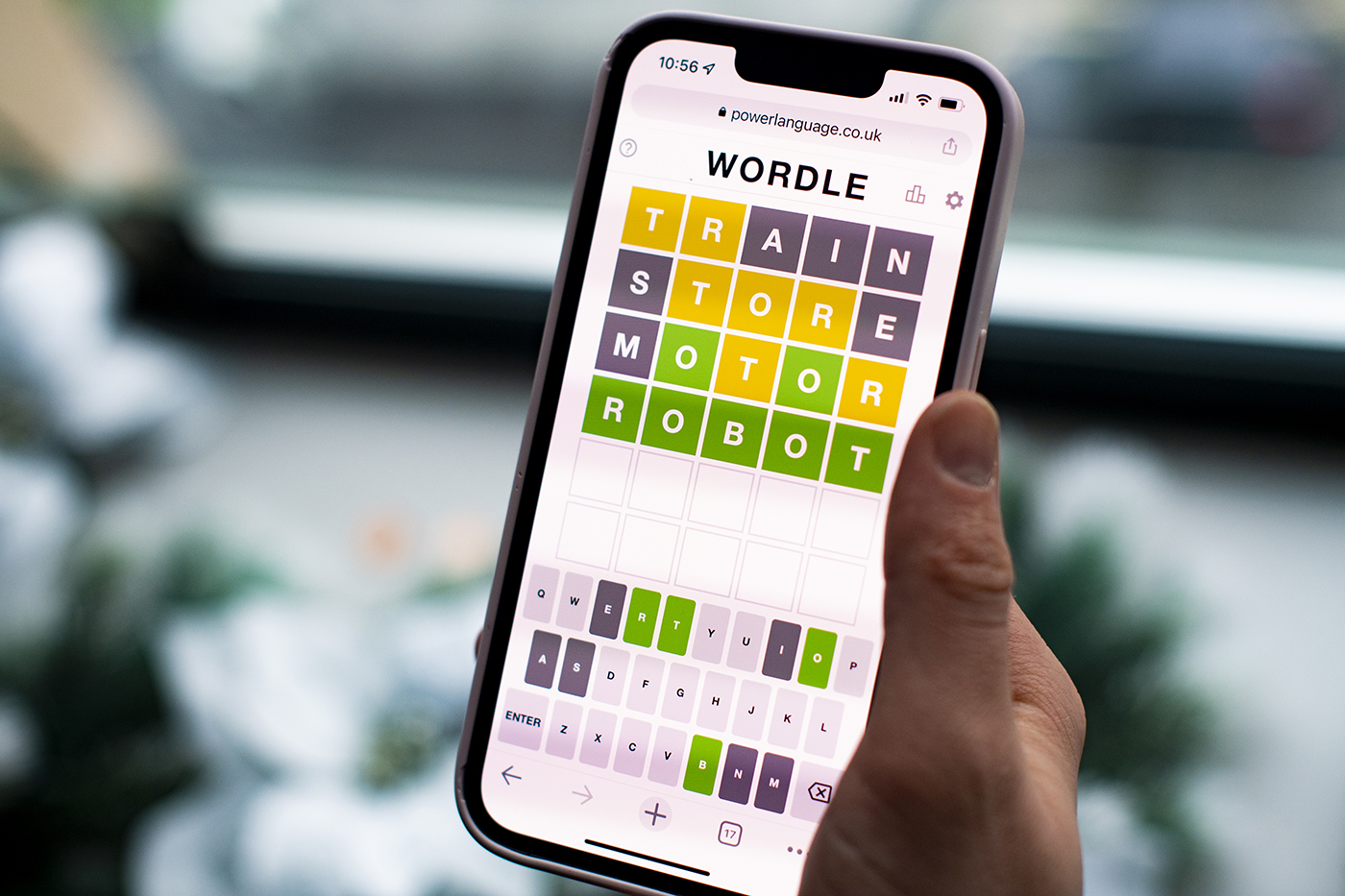
A green tile indicates that a letter is correct and appears in the correct position. A yellow tile indicates that the letter belongs in the answer but has been placed in the wrong position. A gray tile generally indicates that the letter does not appear in the target word.
This straightforward feedback system transforms each guess into a source of information. Instead of randomly attempting words, players can use the clues to eliminate possibilities and construct increasingly accurate guesses.
The History of Wordle
Wordle was originally developed as a personal project by software engineer Josh Wardle. The game was initially created as a simple word puzzle for personal enjoyment and later became available to the public.
Its popularity grew rapidly because of its accessible design and daily format. Unlike games that provide endless levels, Wordle presents one main puzzle each day, creating a shared experience among players.
The New York Times later acquired Wordle, bringing the game into its broader collection of puzzles. Since then, the game has continued attracting players who enjoy vocabulary challenges and short daily brain exercises.
Its history demonstrates how a simple concept can become a major digital entertainment phenomenon.
How New York Times Wordle Works
The basic rules of New York Times Wordle are easy to understand. Players must enter a valid five-letter word as their first guess. The game then evaluates each letter and displays feedback using different tile colors.
Players normally have six attempts to identify the target word. Correctly positioned letters provide strong clues, while misplaced letters help identify which positions should be reconsidered.
The challenge becomes progressively more interesting because each attempt reduces the number of possible solutions. A successful player does not simply guess words but interprets the information provided after every attempt.
This creates a balance between vocabulary knowledge and logical deduction.
Why Wordle Became So Popular
Several characteristics explain the popularity of New York Times Wordle. First, the game is extremely easy to understand. A player can learn the rules within seconds.
Second, the daily puzzle format creates anticipation. Because there is generally a new challenge rather than an unlimited sequence of puzzles, players often return regularly.
Another important factor is social conversation. Players can discuss their results without necessarily revealing the answer, creating a shared daily experience among friends, family members, and colleagues.
The game also requires only a small amount of time. A puzzle can often be completed during a short break, making it convenient for people with busy schedules.
Understanding the Color Clues
The colored feedback system is the foundation of the game. Green means the letter is both correct and correctly positioned. Yellow means the letter occurs in the target word but needs to be moved to another position. Gray indicates that the letter is not available in the answer, subject to the game’s handling of repeated letters.
Understanding these clues quickly can improve solving efficiency.
For example, if a player discovers that one letter is green in the second position, future guesses should generally preserve that letter in that position while testing other possibilities.
Yellow letters should also be retained but moved to different positions.
The feedback therefore acts as a logical map for the remaining guesses.
Choosing a Strong Starting Word
Selecting a useful opening word can make a significant difference. A good starting guess often contains several common vowels and frequently occurring consonants.
The goal is not necessarily to solve the puzzle immediately. Instead, the first guess should gather useful information about the hidden word.
Words containing different letters can help test several possibilities at once. Repeated letters may sometimes be less useful in an opening guess because they provide less information about the overall letter composition.
However, there is no single universally perfect starting word. Players can develop personal strategies based on vocabulary and experience.
Using Letter Frequency
Letter frequency is another useful concept for solving word puzzles. Some letters appear much more frequently in English words than others.
Common vowels are particularly useful because determining whether they occur in the answer can significantly narrow the possibilities. Frequently used consonants can similarly help identify the structure of the target word.
Experienced players often develop an intuitive understanding of common letter combinations.
Nevertheless, frequency should be used as a guide rather than a rigid rule because unusual words can contain less common letters.
Avoiding Repeated Letters Too Early
One useful strategy is to avoid using repeated letters in early guesses unless there is a reason to suspect repetition. Testing different letters allows players to collect more information from each attempt.
For example, a guess containing five different letters can potentially reveal several useful clues simultaneously.
Once the puzzle provides evidence that a letter may appear more than once, repeated-letter guesses become much more valuable.
This approach helps maximize the information obtained from limited attempts.
The Importance of Vocabulary
Vocabulary knowledge naturally helps with New York Times Wordle. Players who know a large number of five-letter words have more possibilities available when interpreting clues.
However, vocabulary alone does not guarantee success. A player may know many words but still struggle if the available letters are arranged in unfamiliar patterns.
Reading regularly can gradually improve vocabulary and familiarity with common word structures. Word games can complement this process by encouraging players to think about spelling, prefixes, suffixes, and letter combinations.
Logical Elimination
Logical elimination is one of the most important skills in Wordle. Instead of focusing only on finding the answer, players should identify which words cannot be the answer.
If a letter receives a gray tile, words containing that letter can generally be eliminated. If a letter is yellow, it must remain part of future possibilities but should be tested in another position.
Green letters establish fixed positions.
Combining these clues dramatically reduces the number of possible words and turns the game into a structured reasoning exercise.
Learning From Previous Guesses
Every guess should ideally serve a purpose. If a player already knows that several letters are absent, repeating those same letters unnecessarily provides little new information.
Strong players use each attempt to investigate something specific. They may test an uncertain vowel, determine the position of a yellow consonant, or distinguish between two similar word patterns.
This approach makes the limited number of guesses more valuable.
Wordle as a Brain Exercise
Word puzzles can encourage several cognitive skills. Players need to recall vocabulary, recognize patterns, compare possibilities, and make decisions based on incomplete information.
Although a daily word game should not be considered a replacement for formal education or comprehensive cognitive training, it can provide an enjoyable mental activity.
The short format also makes it easy to incorporate into a daily routine.
For many players, the satisfaction comes from combining knowledge and reasoning to reach the correct answer.
Social Appeal of Wordle
Another reason New York Times Wordle remains popular is its social nature. Players often share their results using the game’s familiar grid format without revealing the answer directly.
This allows friends and colleagues to compare how efficiently they solved the puzzle.
The shared daily schedule creates a common topic of conversation. Someone can complete the same puzzle as another person regardless of their location.
This social element helped distinguish Wordle from many traditional word games and contributed to its widespread popularity.
Common Mistakes Players Make
One common mistake is using guesses without a clear purpose. Random guessing can quickly consume the limited number of attempts.
Another mistake is ignoring yellow letters. A yellow letter is useful information because it confirms that the letter exists somewhere in the target word.
Players can also become overly focused on one possible answer. When evidence contradicts an assumption, it is important to reconsider the entire word pattern.
Finally, rushing can lead to overlooked clues. Taking a moment to review previous results can often reveal a possibility that was initially missed.
How to Improve Your Wordle Strategy
Improvement comes primarily through practice and careful analysis. Players can begin by selecting opening words that test several distinct letters.
After receiving feedback, they should organize the information mentally or on paper, identifying confirmed letters, misplaced letters, and eliminated letters.
It is also helpful to think in terms of word patterns rather than individual letters. For example, recognizing common combinations can reduce the number of possible answers.
Over time, players naturally develop faster pattern recognition and stronger vocabulary recall.
Educational Benefits of Word Games
Word games can support language-related skills by encouraging players to think about spelling, vocabulary, letter combinations, and word formation.
For students, puzzles can make language practice more enjoyable. Adults may also appreciate them as a quick way to engage with words outside formal educational settings.
The benefits depend on how the game is used. Players who actively think about unfamiliar words and investigate their meanings may gain more from the experience than those who simply guess repeatedly.
The educational value therefore comes partly from curiosity and reflection.
Frequently Asked Questions
What is New York Times Wordle?
New York Times Wordle is a daily five-letter word puzzle in which players have a limited number of attempts to identify the hidden word.
How many guesses are available?
Players generally have six attempts to solve the daily puzzle.
What does a green tile mean?
A green tile means the letter is correct and appears in the correct position.
What does a yellow tile mean?
A yellow tile means the letter appears in the answer but is currently positioned incorrectly.
What does a gray tile mean?
A gray tile generally indicates that the letter does not occur in the target word, although repeated-letter situations can require closer interpretation.
Conclusion
New York Times Wordle has become a popular daily word game because it combines simple rules with meaningful strategic thinking. Its five-letter format makes it accessible to beginners, while the limited number of attempts creates enough difficulty to keep experienced players interested.
The best approach is to treat every guess as a source of information. Choosing useful opening words, recognizing common letter patterns, tracking green and yellow clues, eliminating unavailable letters, and avoiding unnecessary repetition can all improve solving ability. Vocabulary development and regular reading can further strengthen a player’s word knowledge.
Ultimately, the appeal of New York Times Wordle comes from its balance of simplicity, challenge, and social interaction. Whether played casually or approached strategically, the daily puzzle offers a short and engaging way to exercise vocabulary and logical reasoning.