


Introduction
Word games have become a popular way for people to exercise their minds, improve vocabulary, and enjoy a short but rewarding daily activity. Among the many online word puzzles available today, New York Times Wordle has earned a special place because of its simple rules, colorful feedback, and limited number of guesses. The game challenges players to identify a hidden five-letter word within six attempts, making every guess an opportunity to learn something new. Its straightforward format allows beginners to participate while giving experienced players plenty of room to develop better strategies.
One reason the puzzle attracts such a wide audience is its balance between luck and logical thinking. Players do not need advanced language skills or complicated instructions to begin. Instead, they use familiar words, recognize letter patterns, and adjust their next guesses according to the clues displayed on the screen. Over time, the daily challenge can become a relaxing habit that encourages concentration and thoughtful decision-making. Understanding the rules, choosing effective starting words, and learning from previous attempts can make the experience more enjoyable and rewarding.
What Is New York Times Wordle?
New York Times Wordle is a daily word-guessing game published by The New York Times. It gives players six attempts to discover a secret five-letter word, with colored tiles providing feedback after every valid guess. The challenge is easy to understand but requires careful observation, especially when several possible answers share similar letters. Players can use the information from each attempt to narrow down the remaining possibilities rather than relying entirely on random guesses.
The game became widely popular because it offers a shared daily experience. Everyone playing the same daily puzzle works toward the same solution, and players can compare their results with friends, family members, or online communities. Its short format makes it suitable for a quick break during the day. The New York Times also offers other word and logic games, giving puzzle enthusiasts several ways to challenge their vocabulary and reasoning skills.
Getting started is simple, even for someone who has never played a word puzzle online. Open the official game in a web browser or through the supported New York Times Games app. Enter a valid five-letter word and submit your guess. The game then changes the colors of the letter tiles to show how closely your guess matches the hidden answer. Use these clues to make your next attempt more informed.
You have six chances to solve the puzzle. Every guess should help you discover new information about the answer. For example, you might identify a correct letter, discover that a letter belongs in a different position, or eliminate letters that do not appear in the solution. You win when you identify the complete word within the available attempts. If you use all six guesses without finding the answer, the game reveals the solution.
The letter is not included in the answer, subject to the game’s handling of repeated letters. Use this clue to eliminate unlikely possibilities.
These clues work together to reduce uncertainty. A green tile confirms a position, a yellow tile identifies a misplaced letter, and a gray tile usually rules out a letter. Reviewing all three colors after each guess helps you build a clearer picture of the hidden word. Remember that repeated letters can make the feedback more complicated, so do not assume every occurrence of a letter must receive the same color.
Best Strategies for Solving the Daily Puzzle
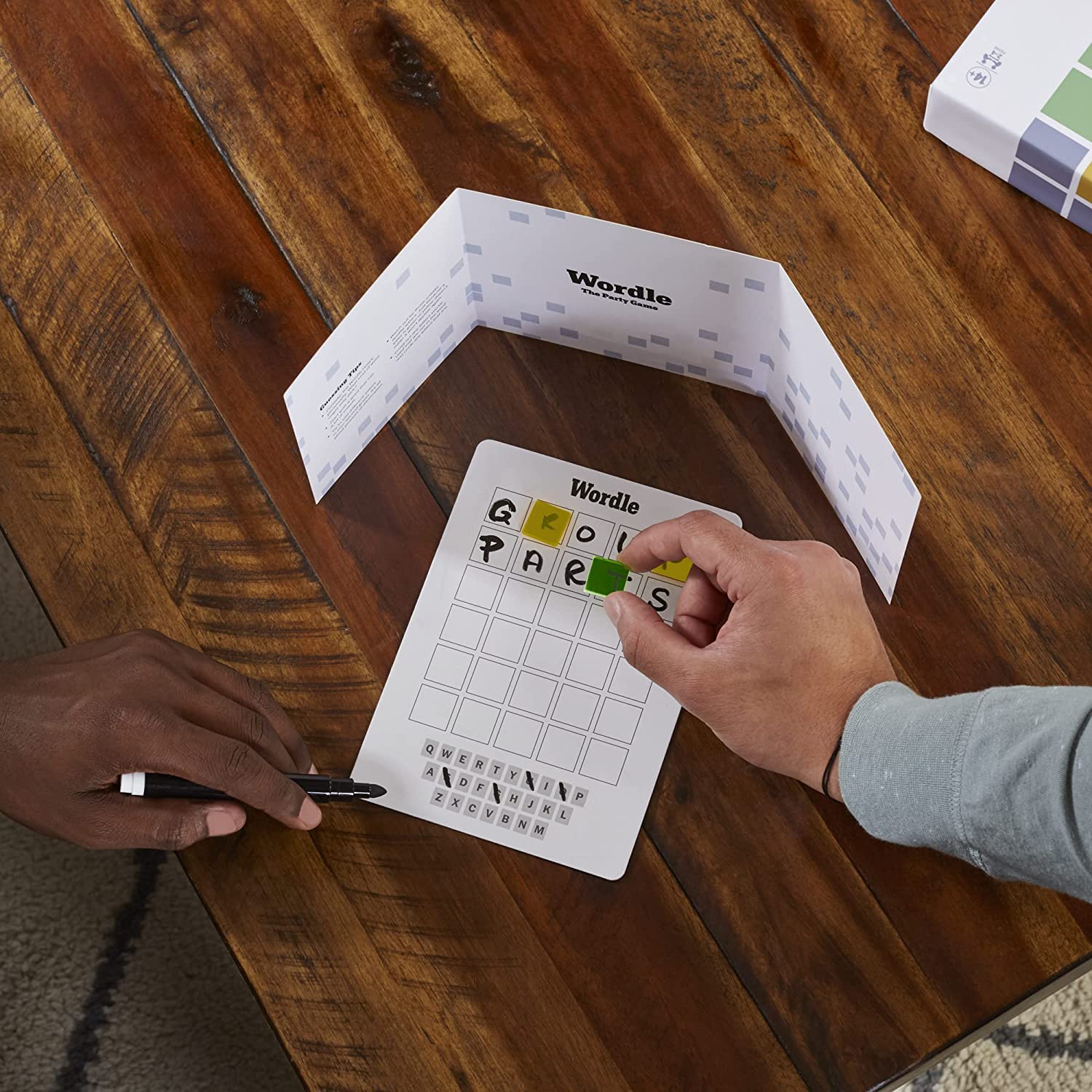
A strong strategy begins with gathering useful information. Choose an opening word containing several common letters and, ideally, a mix of vowels and consonants. Words such as CRANE, SLATE, and TRACE are examples of possible starting choices. No opening word guarantees a quick win, but testing a variety of common letters can help reveal useful clues early.
After the first guess, avoid selecting another word without considering the feedback. If you discover two or three useful letters, think about possible word patterns that fit them. If the first guess reveals little, your second guess can test a fresh group of common letters. However, make sure you do not waste opportunities by ignoring confirmed information. The best approach balances discovering new letters with making progress toward a likely answer. With practice, players become better at identifying patterns and comparing possible solutions.
How to Choose an Effective Starting Word
Your starting word can influence how quickly you solve the puzzle. Words containing frequently used letters are helpful because they can reveal information about several possible positions. Including vowels is also useful, as vowel placement can distinguish between otherwise similar words. Nevertheless, there is no single opening word that performs perfectly against every possible answer.
Try using a consistent starting word for several days so you can understand its strengths and weaknesses. Alternatively, rotate between two or three options to learn different letter patterns. Pay attention to which letters frequently appear in your guesses and which combinations help you narrow down answers. Avoid choosing unusual words simply because they look interesting; your opening guess should ideally provide meaningful information. Over time, reviewing your decisions can help you develop a reliable approach that suits your vocabulary and playing style.
Common Mistakes to Avoid
Many players lose opportunities because they make guesses without using the clues already provided. Repeating a gray letter in a new word, moving a green letter away from its confirmed position, or leaving a yellow letter in the same position can reduce the value of a guess. Taking a few seconds to review the board before submitting a word helps prevent these mistakes.
Another common error is assuming that the answer must be an uncommon or complicated word. Many solutions are familiar words, although the difficulty varies from day to day. Players should also remember that a five-letter word may contain a repeated letter. When the known letters seem to fit no obvious solution, consider whether a letter might appear twice. Most importantly, do not rush simply to finish quickly. A thoughtful guess that tests a useful possibility is often more valuable than an impulsive choice.
Using Hard Mode to Improve Your Skills
Hard Mode offers an additional challenge for players who want to make their decisions more disciplined. In this mode, clues that have already been revealed must be incorporated into subsequent guesses. Confirmed green letters must stay in their correct positions, while identified yellow letters must be used in other positions. This restriction encourages players to work with the information they have already discovered.
Hard Mode can be useful for developing logical thinking because it limits the ability to enter a completely unrelated word just to test new letters. However, it can also make certain puzzles more difficult when several possible answers share the same known letters. Beginners may prefer the standard mode until they feel comfortable interpreting the clues. Experienced players can experiment with Hard Mode to find out whether its extra restrictions improve their consistency and make each puzzle more engaging.
Why Wordle Has Become So Popular
The appeal of Wordle comes from its simplicity, accessibility, and sense of achievement. Unlike games that require long sessions or complicated preparation, a typical puzzle can be completed in a few minutes. The daily format also creates anticipation, because players return for a new challenge rather than working through an endless sequence of identical levels.
Sharing results is another important part of the experience. Players can compare the number of attempts needed to solve the puzzle without necessarily revealing the answer. This makes it possible to discuss strategies and celebrate successes while preserving the challenge for others. Families, friends, colleagues, and online communities can all participate in the same daily activity. For many people, the game has become a small routine that combines entertainment, vocabulary practice, and a satisfying mental break.
Benefits of Playing Wordle Regularly
Word puzzles encourage players to think carefully about spelling, letter placement, and word construction. As you consider possible answers, you may recall words you have not used recently or recognize patterns that appear in many English words. The limited number of guesses also encourages planning, since each decision has consequences for the next step.
Regular play can provide a pleasant opportunity to practise concentration and problem-solving. It may also encourage curiosity about unfamiliar words when players look up their meanings after finishing a puzzle. However, Wordle should be viewed primarily as entertainment rather than a guaranteed way to improve memory or prevent cognitive decline. Its greatest benefit is that it makes a short period of focused thinking enjoyable and accessible to people with different levels of vocabulary knowledge.
Frequently Asked Questions
1. Is New York Times Wordle free to play?
The original daily Wordle has been available as a free game, although access arrangements and account features can change. Check the official New York Times Games platform for current access details and any applicable requirements.
2. How many guesses do you get?
Players have six attempts to identify the hidden five-letter word. Each valid guess provides colored clues that help narrow down the possibilities.
3. Does Wordle use the same answer for everyone?
The daily puzzle is designed as a shared challenge, allowing players to compare their results for the same day’s word. The daily puzzle changes according to the game’s release schedule.
4. Can the answer contain repeated letters?
Yes. A solution can contain the same letter more than once. Pay attention to the individual tile colors because repeated letters can affect how the feedback is displayed.
5. What should you do if you cannot solve the puzzle?
Review every clue, identify the letters and positions that remain possible, and consider familiar words that fit the pattern. If you still cannot solve it, you can learn from the revealed answer and apply that knowledge to future puzzles.
6. Is Wordle suitable for beginners?
Yes. Its rules are straightforward, and players can begin with common five-letter words. Beginners can improve their approach gradually by learning the color system and thinking carefully about each guess.
Conclusion
New York Times Wordle offers an enjoyable combination of vocabulary, logic, and daily entertainment. Its six-guess format makes every decision meaningful, while the green, yellow, and gray tiles provide a simple system for learning from mistakes. By choosing useful starting words, reviewing clues carefully, considering repeated letters, and avoiding unnecessary guesses, players can develop a more consistent solving strategy.
The game does not require expert-level vocabulary to be enjoyable. Patience, observation, and a willingness to learn from each attempt are often more valuable than guessing quickly. Whether you play for fun, enjoy comparing results with friends, or want a short daily mental challenge, Wordle provides an accessible way to engage with language. With regular practice and a thoughtful approach, each new puzzle becomes an opportunity to sharpen your reasoning and enjoy the satisfaction of discovering the correct word.